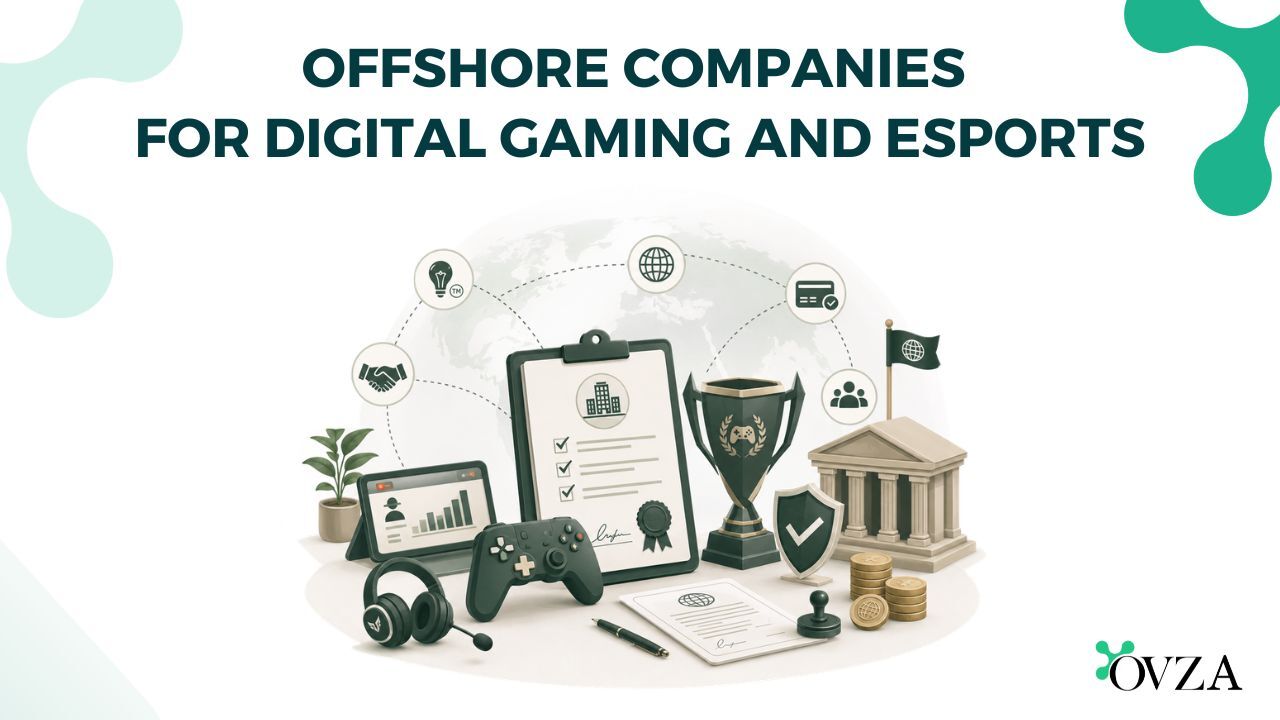
Las industrias de los videojuegos digitales y los deportes electrónicos han evolucionado desde comunidades online de nicho hasta convertirse en sectores comerciales globales. Desarrolladores de videojuegos, organizaciones profesionales de deportes electrónicos, creadores de contenido, editores y empresas de tecnología de videojuegos operan cada vez más en múltiples países, generando ingresos a través de ventas digitales, patrocinios, acuerdos de licencia, retransmisiones en directo, merchandising y torneos.
A medida que estas empresas se expanden internacionalmente, la gestión de la propiedad intelectual, los contratos comerciales, los ingresos por patrocinio y los pagos transfronterizos mediante una estructura corporativa clara cobra cada vez más importancia. Según las normas de cumplimiento corporativo para el sector del entretenimiento digital de 2026, una empresa internacional puede formar parte de una estructura más amplia diseñada para organizar estas actividades y respaldar el crecimiento comercial a largo plazo.
Para los fundadores de empresas de videojuegos y organizaciones de esports, las empresas offshore especializadas en juegos digitales y esports pueden proporcionar un marco centralizado para la gestión de actividades comerciales internacionales. Si se establecen y mantienen adecuadamente, estas estructuras pueden respaldar la propiedad y la concesión de licencias de propiedad intelectual, la administración de acuerdos de patrocinio, la gestión de ingresos internacionales y el desarrollo de nuevos proyectos comerciales.
- ¿Por qué utilizar empresas offshore para los videojuegos digitales y los deportes electrónicos?
- Estructuración de la propiedad intelectual y los activos de los videojuegos
- Equipos de deportes electrónicos y estructuras de marcas comerciales
- Gestión de patrocinios internacionales e ingresos
- Premios en metálico transfronterizos e ingresos de torneos
-
Comparación de estructuras corporativas locales e internacionales
- Estructuras corporativas para empresas de videojuegos en crecimiento
- Cumplimiento normativo y gobierno corporativo
- Consideraciones fiscales para las empresas de juegos y deportes electrónicos
- Apoyando el crecimiento a largo plazo
- Conclusión
¿Por qué utilizar empresas offshore para los videojuegos digitales y los deportes electrónicos?
Los videojuegos digitales son inherentemente internacionales. Un estudio de videojuegos puede desarrollar un título en un país, licenciarlo a editoras en otro, distribuirlo a través de plataformas globales y obtener ingresos de jugadores ubicados en decenas de mercados. De manera similar, una organización de deportes electrónicos puede trabajar con patrocinadores, organizadores de torneos, plataformas de streaming, proveedores de merchandising y jugadores ubicados en diferentes jurisdicciones.
Una entidad corporativa internacional especializada puede ayudar a organizar estas actividades dentro de un marco legal y financiero más estructurado. En lugar de gestionar cada acuerdo internacional a través de particulares o entidades locales independientes, una empresa puede ostentar los derechos comerciales pertinentes, suscribir acuerdos de patrocinio, percibir ingresos comerciales elegibles y coordinar las relaciones con socios internacionales.
La estructura adecuada depende de la naturaleza del negocio, la ubicación de su administración y empleados, la fuente de sus ingresos, la propiedad intelectual involucrada y la normativa aplicable a las actividades de juegos o deportes electrónicos. Por lo tanto, una empresa offshore debe considerarse como parte de una estrategia corporativa más amplia, en lugar de una solución aislada.
Estructuración de la propiedad intelectual y los activos de los videojuegos
Para los estudios y desarrolladores de videojuegos, la propiedad intelectual puede representar una de las partes más valiosas del negocio. El código fuente, las ilustraciones, los personajes, la música, las marcas registradas, los nombres de dominio, el contenido digital y los derechos de licencia pueden seguir generando valor comercial mucho después del lanzamiento del juego.
Según el modelo de negocio, la propiedad intelectual puede pertenecer directamente a la empresa operadora o estar gestionada a través de una entidad especializada en propiedad intelectual. Dicha entidad puede otorgar licencias de derechos específicos a editores, distribuidores, plataformas, empresas de comercialización u otros socios comerciales mediante acuerdos documentados.
Este enfoque puede brindar mayor claridad en cuanto a las relaciones de propiedad y licencias, a la vez que facilita la gestión de la propiedad intelectual a medida que se expande el negocio de los videojuegos. Cualquier transferencia o acuerdo de licencia entre entidades relacionadas debe documentarse y revisarse adecuadamente, teniendo en cuenta la propiedad intelectual, los impuestos, los precios de transferencia y los requisitos corporativos aplicables.
Equipos de deportes electrónicos y estructuras de marcas comerciales
Las organizaciones de deportes electrónicos suelen generar ingresos a través de mucho más que la participación en torneos. Patrocinios, venta de productos, retransmisiones en directo, publicidad, creación de contenido, acuerdos con jugadores, derechos de medios y licencias pueden contribuir a la actividad comercial de una organización.
La estructura corporativa de un equipo de esports puede utilizar entidades especializadas para gestionar diferentes áreas del negocio. Por ejemplo, una empresa podría operar el equipo y gestionar las relaciones con los jugadores, mientras que otra entidad podría poseer marcas registradas, activos comerciales o derechos de licencia específicos, según corresponda.
También puede considerarse la figura de una empresa gestora de derechos de imagen para videojuegos cuando una organización de esports o un creador de contenido haya desarrollado identidades comerciales valiosas. Los acuerdos adecuados pueden establecer cómo se licencian y monetizan los nombres, las imágenes, las marcas registradas, el contenido y otros derechos comerciales, manteniendo al mismo tiempo registros claros de propiedad y gobernanza.
Gestión de patrocinios internacionales e ingresos
Los acuerdos de patrocinio global constituyen una importante fuente de ingresos para las empresas de videojuegos y las organizaciones de deportes electrónicos. Entre los patrocinadores pueden figurar empresas tecnológicas, fabricantes de hardware para videojuegos, marcas de ropa, empresas de entretenimiento, instituciones financieras y otras compañías internacionales que buscan visibilidad ante el público de los videojuegos.
Utilizar una entidad corporativa específica para formalizar estos acuerdos puede proporcionar un marco centralizado para la administración de contratos, la facturación, el cobro de ingresos y la presentación de informes financieros. También puede facilitar la separación de las actividades de patrocinio de otras áreas del negocio, especialmente cuando una organización de juegos gestiona varios equipos, marcas o proyectos comerciales.
La gestión de ingresos internacionales también exige prestar especial atención a dónde se prestan los servicios, dónde se toman las decisiones de gestión, dónde se ubican los clientes y cómo se tratan los ingresos según la legislación fiscal aplicable. Asimismo, los acuerdos bancarios corporativos deben reflejar el modelo de negocio real de la empresa y la actividad transaccional prevista.
Premios en metálico transfronterizos e ingresos de torneos
Los equipos y jugadores profesionales de esports pueden recibir premios de torneos celebrados en varios países a lo largo del año. Gestionar estos pagos a través de una estructura corporativa formal puede brindar mayor coherencia en la facturación, la contabilidad, los acuerdos contractuales y la distribución de ingresos.
Cuando una empresa recibe premios en metálico, el tratamiento de dichos fondos dependerá del acuerdo del torneo correspondiente, la estructura jurídica de la empresa, la normativa fiscal aplicable y la relación entre la empresa y sus jugadores o miembros del equipo. Las estructuras corporativas no deben utilizarse para ocultar ingresos personales ni para eludir las obligaciones de declaración.
En cambio, los contratos claros deben establecer cómo se distribuyen los premios de los torneos, los ingresos por patrocinio, los salarios, las bonificaciones y otros pagos. Una documentación adecuada permite a la organización mantener un registro financiero transparente y, al mismo tiempo, facilita una gestión eficiente de sus actividades comerciales internacionales.
Comparación de estructuras corporativas locales e internacionales
| Área de Negocios | Configuración local o no estructurada | Estructura corporativa internacional |
| Ingresos globales | Los ingresos pueden recibirse a través de múltiples cuentas o entidades no relacionadas entre sí. | Los ingresos internacionales pueden organizarse a través de entidades corporativas designadas, cuando proceda. |
| Propiedad intelectual | El software del juego, las marcas registradas y otros activos pueden ser propiedad directa de la empresa operadora. | La propiedad intelectual puede ser mantenida o administrada a través de entidades especializadas cuando resulte comercialmente apropiado. |
| Patrocinios | Los acuerdos pueden gestionarse a través de diferentes personas o empresas locales. | Una empresa especializada puede centralizar los acuerdos de patrocinio internacional que cumplan los requisitos. |
| Premio en metálico | Los pagos de los torneos pueden implicar diferentes modalidades de pago e informes. | Los acuerdos corporativos pueden establecer un marco coherente para la recepción y distribución de los ingresos que cumplan los requisitos. |
| Activos de marca | Los derechos comerciales pueden combinarse con las actividades operativas cotidianas. | Las entidades especializadas pueden separar la propiedad de la marca de las funciones operativas cuando sea apropiado. |
| Expansión internacional | Los nuevos mercados pueden requerir acuerdos separados para cada actividad. | Una estructura de grupo más amplia puede dar soporte a filiales, empresas conjuntas y proyectos comerciales internacionales. |
Estructuras corporativas para empresas de videojuegos en crecimiento
A medida que las empresas de videojuegos crecen, sus requisitos corporativos suelen volverse más sofisticados. Una compañía que comienza con un solo juego puede llegar a operar múltiples títulos, licenciar su propiedad intelectual, establecer alianzas con editoras, lanzar líneas de productos o desarrollar nuevos productos digitales.
Una estructura de grupo internacional permite organizar las distintas funciones comerciales a través de empresas independientes, manteniendo al mismo tiempo la propiedad centralizada en la sociedad matriz. Esto puede resultar útil al captar inversores, participar en empresas conjuntas, licenciar propiedad intelectual o establecer operaciones regionales.
Para las organizaciones de deportes electrónicos, se pueden utilizar estructuras similares para separar las operaciones de los equipos, la propiedad intelectual, las actividades de patrocinio, el merchandising, la producción de contenido y otras iniciativas comerciales. La estructura exacta debe reflejar las actividades reales de la organización, en lugar de depender de niveles innecesarios de entidades.
Cumplimiento normativo y gobierno corporativo
El uso de empresas offshore para juegos digitales y deportes electrónicos no exime de las responsabilidades corporativas, fiscales, de presentación de informes ni regulatorias. Las empresas internacionales de juegos deben mantener información precisa sobre la propiedad, contratos debidamente documentados, registros financieros, procedimientos contables y documentación de gobernanza para cada entidad dentro de su estructura.
Dependiendo de la estructura y las jurisdicciones involucradas, pueden aplicarse requisitos como la identificación del beneficiario final, la declaración de impuestos, las normas sobre precios de transferencia, los requisitos de sustancia económica, la normativa sobre propiedad intelectual y el cumplimiento de las normas bancarias. Las instituciones financieras también pueden solicitar información detallada sobre el modelo de negocio de la empresa, sus fuentes de ingresos, contrapartes, propiedad intelectual y volúmenes de transacciones previstos durante las revisiones de Conozca a su Cliente (KYC) y Prevención del Blanqueo de Capitales (AML).
Las empresas de videojuegos también deben tener en cuenta los requisitos específicos de cada plataforma. Las tiendas de aplicaciones, las plataformas de distribución de juegos, los procesadores de pago, los servicios de streaming, los organizadores de torneos y las redes publicitarias pueden tener sus propios estándares de incorporación y verificación. Por lo tanto, la estructura corporativa debe diseñarse en función de las actividades comerciales reales de la empresa y estar respaldada por la documentación adecuada.
Consideraciones fiscales para las empresas de juegos y deportes electrónicos
La creación de una empresa offshore no exime automáticamente de impuestos los ingresos procedentes de videojuegos o deportes electrónicos. El tratamiento fiscal de las empresas digitales internacionales puede depender del lugar de constitución de la empresa, su residencia fiscal, el lugar de su dirección efectiva, la ubicación de sus empleados y operaciones, la fuente de sus ingresos y las normas aplicables a la propiedad intelectual y los servicios digitales.
Los pagos transfronterizos también pueden verse afectados por las retenciones fiscales, las normas sobre establecimiento permanente, la normativa sobre sociedades extranjeras controladas, los requisitos de precios de transferencia y los tratados fiscales aplicables. Estas consideraciones son especialmente importantes cuando se conceden licencias de propiedad intelectual entre empresas relacionadas o cuando una empresa de juegos opera en varios países.
Por este motivo, la estructuración corporativa internacional debe abordarse junto con una planificación fiscal y legal adecuada. Una estructura que refleje con precisión las actividades comerciales de la empresa y mantenga registros transparentes suele estar mejor posicionada para respaldar un crecimiento internacional sostenible.
Apoyando el crecimiento a largo plazo
Las empresas de videojuegos y deportes electrónicos se están convirtiendo cada vez más en empresas digitales diversificadas. Una organización exitosa puede gestionar simultáneamente carteras de propiedad intelectual, acuerdos de patrocinio, canales de contenido, negocios de merchandising, contratos con jugadores, proyectos tecnológicos y alianzas internacionales.
Una estructura corporativa bien organizada puede facilitar la integración de estas actividades, a la vez que proporciona una separación adecuada entre las funciones operativas y los valiosos activos comerciales. Asimismo, puede crear un marco más claro para futuras inversiones, empresas conjuntas, acuerdos de licencia, adquisiciones y la expansión a nuevos mercados.
A medida que el sector continúa desarrollándose, las estructuras corporativas más sólidas serán aquellas que combinen flexibilidad comercial con una gobernanza clara y un cumplimiento transparente. Las entidades internacionales pueden desempeñar un papel importante en este proceso cuando se constituyen con fines comerciales legítimos y se gestionan de conformidad con las leyes aplicables.
Conclusión
Las empresas offshore dedicadas a los videojuegos y los deportes electrónicos pueden formar parte de una estructura corporativa internacional más amplia para desarrolladores de juegos, organizaciones de deportes electrónicos, editores y empresas de entretenimiento digital. Si se diseñan adecuadamente, estas entidades pueden gestionar la propiedad intelectual, los acuerdos de patrocinio, los ingresos de los torneos, las actividades de concesión de licencias y las operaciones comerciales internacionales.
La estructura adecuada depende de la naturaleza del negocio de juegos, su estructura de propiedad, la ubicación de la gestión y las operaciones, las jurisdicciones involucradas y los requisitos regulatorios y fiscales aplicables. En lugar de adoptar un modelo único, las empresas pueden diseñar estructuras corporativas que se adapten a sus actividades comerciales reales y a sus objetivos a largo plazo.
A medida que los videojuegos y los deportes electrónicos continúan expandiéndose internacionalmente, una estructura corporativa transparente y bien gestionada puede proporcionar una base sólida para el crecimiento. Al combinar una propiedad clara, relaciones comerciales documentadas, procedimientos de cumplimiento adecuados y una gestión financiera eficaz, las empresas de videojuegos pueden posicionarse para una expansión internacional sostenible.

Agregar OVZA a las fuentes preferidas de Google
Convierta a OVZA en su fuente preferida para asegurarse de poder descubrir fácilmente nuestros últimos análisis, investigaciones y contenido confiable directamente a través de Google.

Descargo de responsabilidad: La información proporcionada en este sitio web tiene únicamente fines informativos y educativos. Si bien OVZA se esfuerza por garantizar su exactitud y actualidad, el contenido no debe considerarse asesoramiento legal, financiero ni fiscal.