Los negocios internacionales modernos ofrecen a los emprendedores más flexibilidad que nunca. Hoy en día, es perfectamente posible vivir en un país y operar una empresa constituida en otra jurisdicción.
Históricamente, los empresarios operaban bajo la restricción de que su empresa estaba estructuralmente ligada a su ubicación física. Si un emprendedor residía en un mercado altamente regulado, su negocio era tratado por defecto como una entidad local.
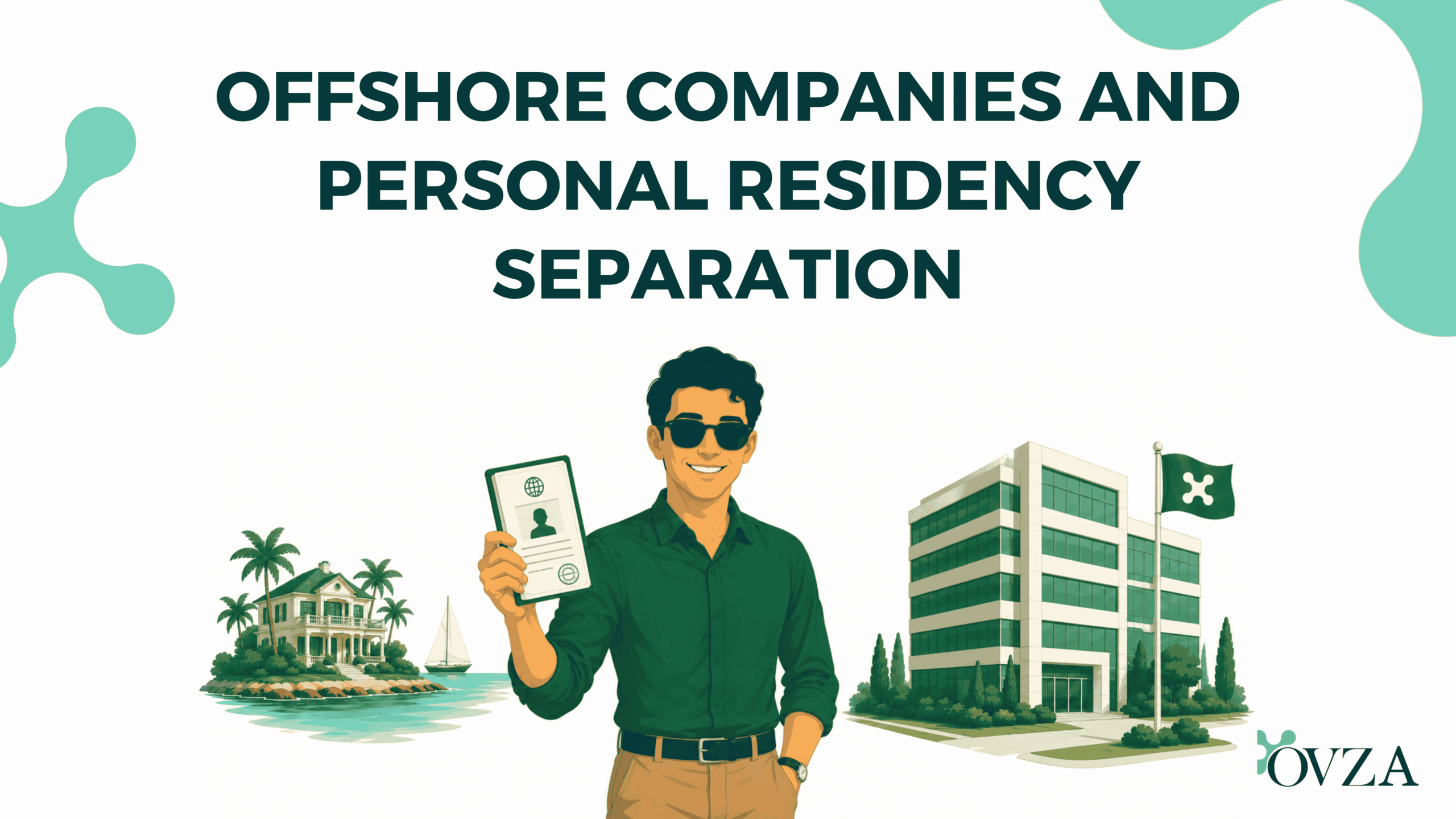
Hoy en día, esa atadura estructural se ha desmantelado. La residencia personal se ha convertido en una opción de estilo de vida que empodera, mientras que el domicilio corporativo sigue siendo una decisión estratégica e independiente. Es perfectamente factible mantener una residencia principal en la ubicación preferida, protegiendo al mismo tiempo la propiedad intelectual global y los ingresos del comercio internacional mediante una estructura corporativa offshore altamente eficiente.
Sin embargo, lograr esta autonomía operativa sin contratiempos requiere algo más que un simple cambio de dirección; exige un compromiso claro con los principios de una gobernanza corporativa proactiva y una gestión independiente.
Comprender la autonomía corporativa y el establecimiento permanente
Una idea errónea frecuente entre los operadores internacionales es que si un accionista o director se traslada a un país extranjero, su empresa offshore se convierte automáticamente en residente fiscal de ese país anfitrión.
Si bien las autoridades de todo el mundo valoran la transparencia en el seguimiento de las empresas, una corporación sigue siendo una persona jurídica independiente. La ubicación física de un accionista no altera automáticamente el domicilio social de la entidad.
Para brindar claridad a los ejecutivos que se desplazan con frecuencia, los marcos corporativos internacionales modernos, incluidas las directrices de la Organización para la Cooperación y el Desarrollo Económicos (OCDE), analizan factores operativos específicos para determinar dónde se gestiona realmente una empresa.
1. El marco de presencia operativa
Una oficina en casa o una ubicación temporal en el país de residencia no se considera, por lo general, un lugar de negocios permanente para una empresa offshore si el tiempo que la persona pasa trabajando allí se mantiene por debajo de los umbrales regionales estándar. Esta flexibilidad operativa permite a los fundadores viajar o residir en el extranjero a tiempo parcial sin generar, accidentalmente, obligaciones fiscales complejas para su estructura offshore a nivel local.
2. El marco de intención comercial
Cuando se desarrolla una actividad comercial sustancial a nivel local, las consideraciones fiscales se centran naturalmente en el principal factor que impulsa dicha presencia. Es fácil mantener una sólida separación corporativa si la ubicación física del empresario se debe exclusivamente a preferencias personales, la captación de talento o la conveniencia individual.
Por el contrario, pueden surgir revisiones corporativas más exhaustivas si la presencia local se utiliza explícitamente para operaciones prácticas en el mercado nacional, como por ejemplo:
- Realizar interacciones en tiempo real con proveedores o clientes locales.
- Realizar actividades comerciales activas y localizadas dentro de esa jurisdicción nacional específica.
- Utilizar el destino como un centro comercial orientado al exterior para la empresa en general.
Comprender estos parámetros estructurales permite a los operadores transfronterizos organizar sus patrones de movilidad de forma inteligente, garantizando que siempre mantengan la debida conformidad con la normativa vigente.
Cómo construir una narrativa corporativa defendible
Proteger una estructura corporativa desvinculada exige superar los modelos operativos informales. Los registros mercantiles y las redes bancarias modernas dan preferencia a las organizaciones bien documentadas frente a las entidades poco estructuradas que existen únicamente en el papel y con marcos de gobernanza inconsistentes.
Si una auditoría o revisión revela que todas las decisiones estratégicas clave, las firmas de contratos y las directrices corporativas se originan exclusivamente en una residencia personal ubicada en una jurisdicción nacional, la independencia estructural de la empresa podría ponerse en entredicho.
Actualizando su marco corporativo
Para garantizar una integridad estructural total, los fundadores con visión de futuro deben establecer una narrativa verificable de sustancia corporativa localizada.
| Modelo operativo informal (alta atención) | Modelo corporativo estructurado (seguro) |
| Las decisiones estratégicas se ejecutan íntegramente a través de canales personales residenciales. | Las reuniones formales de la junta directiva se llevaron a cabo y quedaron registradas dentro de la jurisdicción extraterritorial. |
| Cero presencia corporativa local o infraestructura física en el país de registro. | Uso de centros operativos especializados y equipos internacionales. |
| Dependencia total de contratistas externos no alineados. | Sustancia corporativa verificable que se ajusta a los estándares internacionales. |
Pasos clave para una implementación sin problemas
- Huellas de la gobernanza formal: Las decisiones estratégicas de alto nivel, las resoluciones de la junta directiva y las funciones de gestión ejecutiva deben documentarse formalmente como ocurridas dentro del período elegido. jurisdicción extraterritorial. Esto se logra fácilmente celebrando reuniones periódicas de la junta directiva en las instalaciones de la empresa o utilizando servicios locales de secretaría corporativa.
- Centros operativos especializados: Depender exclusivamente de proveedores externos y temporales puede, en ocasiones, difuminar los límites corporativos. Las empresas refuerzan cada vez más su presencia en el extranjero mediante centros operativos especializados, equipos internacionales estructurados o Centros de Capacidades Globales (GCC, por sus siglas en inglés) ubicados directamente en la jurisdicción offshore.
- Alineación institucional: Las redes bancarias internacionales y los registros regulatorios priorizan a las entidades que demuestran coherencia comercial local. Ya sea que una organización aproveche la infraestructura tecnológica avanzada de un centro financiero de primer orden como Abu Dhabi Global Market (ADGM) o los estatutos corporativos confiables de la Islas Vírgenes Británicas (IVB), El domicilio elegido debe contar con registros locales que cumplan con la normativa y estructuras de gobernanza válidas.
La sinergia definitiva entre estilo de vida y negocios.
El panorama global ha sido testigo de una increíble expansión de marcos de inmigración especializados, que incluyen programas de residencia optimizados y vías para nómadas digitales en Europa, Asia y América. Estas iniciativas están diseñadas específicamente para atraer capital internacional, ofreciendo acceso a un estilo de vida exclusivo junto con condiciones fiscales favorables para los ingresos de origen extranjero.
Este entorno crea una estrategia ideal para los operadores internacionales:
- Optimización personal: El individuo mantiene una residencia personal que cumple con la normativa, dentro de un marco local optimizado, disfrutando de la máxima movilidad y de una tasa impositiva predecible y más baja, aplicada exclusivamente sobre el salario o las distribuciones personales que percibe.
- Eficiencia corporativa: Los principales activos corporativos, las carteras de propiedad intelectual y los márgenes de negociación macroeconómicos permanecen firmemente anclados en una jurisdicción extraterritorial separada y favorable a los negocios.
Este enfoque dual garantiza que la optimización de tu estilo de vida personal vaya de la mano con tu estrategia de expansión corporativa global.
Conclusión
Una empresa offshore bien estructurada puede impulsar el crecimiento internacional a largo plazo, a la vez que ofrece a los emprendedores la flexibilidad de vivir y operar a nivel global. Su domicilio particular es una preferencia personal; su domicilio corporativo es un activo estratégico permanente que garantiza la continuidad operativa. Según los estándares internacionales actuales, no es necesario sacrificar la eficiencia de su empresa para asegurar la movilidad personal global.
Al estructurar cuidadosamente un marco desacoplado y mantener pruebas claras de gestión y control independientes, su empresa puede construir una presencia transfronteriza altamente resiliente que se adapte sin problemas a diferentes escalas.
La transición a un modelo global altamente estructurado requiere una ejecución precisa. Cumplir con los requisitos de sustancia económica, proteger los activos corporativos y llevar a cabo una constitución corporativa internacional que cumpla con la normativa son tareas altamente especializadas. El futuro del comercio global pertenece a los líderes que consideran la estructura corporativa como una base permanente y jurídicamente sólida para el crecimiento.
En OVZA, nos especializamos en ayudar a fundadores globales a alinear su presencia corporativa internacional con sus objetivos de movilidad personal. Desde la elección del domicilio corporativo ideal hasta el establecimiento de una sólida base operativa, garantizamos que su negocio se mantenga seguro, cumpla con la normativa y esté preparado para una escalabilidad de primer nivel.
Descargo de responsabilidad: La información proporcionada en este sitio web tiene únicamente fines informativos y educativos. Si bien OVZA se esfuerza por garantizar su exactitud y actualidad, el contenido no debe considerarse asesoramiento legal, financiero ni fiscal.