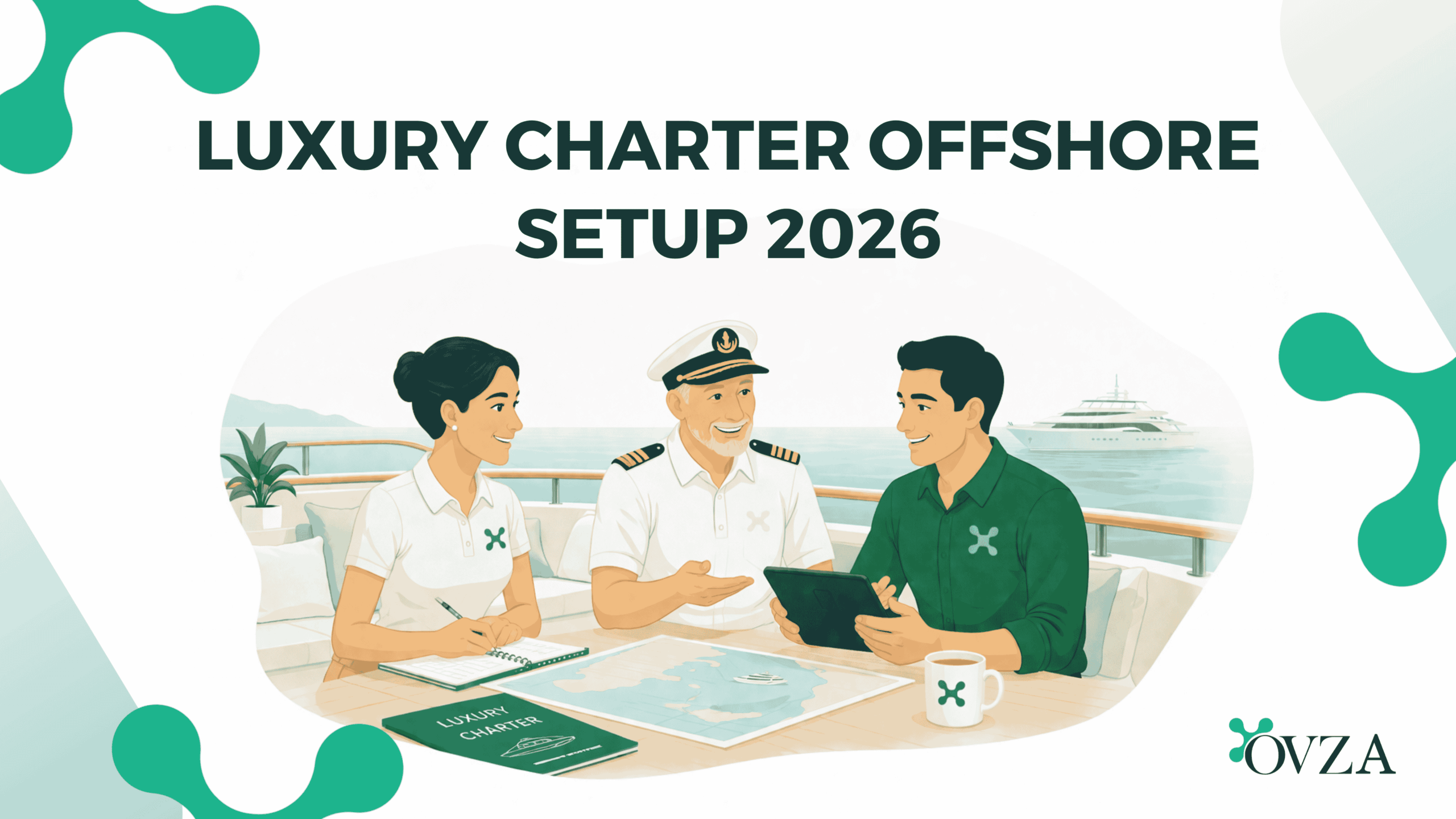
El sector del alquiler de yates de lujo en 2026 se caracteriza por su "fluidez operativa". Un mismo barco puede comenzar la temporada en el Caribe, trasladarse al Mediterráneo en junio y finalizar el año en el Pacífico Sur. Intentar gestionar esto a través de una entidad nacional supone una trampa administrativa que conlleva elevados impuestos y leyes laborales rígidas. Por ello, el sector se ha estandarizado en torno a jurisdicciones extraterritoriales para garantizar que el negocio mantenga la misma movilidad que los propios barcos.
1. Protección legal de la privacidad y la propiedad.
En 2026, la privacidad es el máximo lujo. Utilizar una estructura corporativa offshore para mantener la titularidad de una embarcación es el estándar global para proteger a los propietarios de alto perfil de la atención no deseada y los litigios relacionados con su estilo de vida. Los propietarios utilizan una empresa offshore para mantener la titularidad del yate. Si bien estas estructuras cumplen plenamente con los estándares globales de transparencia de 2026 (como CRS y FATCA), los detalles de la propiedad permanecen confidenciales, lo que crea una capa vital de seguridad personal.
Las leyes marítimas en jurisdicciones extraterritoriales están específicamente adaptadas para las hipotecas marítimas. Los bancos internacionales tienen muchas más probabilidades de financiar un superyate de más de 150 millones de dólares si está constituido bajo una estructura extraterritorial con un historial comprobado de estabilidad en el derecho marítimo.
2. Flexibilidad comercial: La ventaja del “doble uso”
En 2026, muchos propietarios compensaron sus costos de mantenimiento anuales de $1M+ mediante fletando su embarcación cuando no lo están utilizando. Los registros extraterritoriales ofrecen códigos específicos que permiten esta flexibilidad sin la burocracia de las normas nacionales de transporte marítimo comercial.
Los modernos códigos marítimos de alta mar de 2026 permiten que los yates privados se dediquen al alquiler comercial sin perder su condición de "privados" a efectos de ciertas normas de seguridad y fiscales. Esta condición de "doble uso" es fundamental para mantener un modelo de negocio de alquiler rentable.
Al elegir un pabellón marítimo de la "Lista Blanca", jurisdicciones conocidas por sus altos estándares de seguridad, los yates se enfrentan a menos inspecciones de "Control del Estado del Puerto", lo que garantiza que sus huéspedes de alquiler de 2026 no se vean retrasados por una burocracia innecesaria.
3. La ventaja de la actividad offshore: tripulación, responsabilidad civil e IVA.
Gestionar un negocio de alquiler de embarcaciones implica administrar una tripulación multinacional. Una jurisdicción extraterritorial proporciona un marco específico para afrontar estos desafíos propios del año 2026.
Una estructura offshore permite contratar personal internacional y gestionar sus nóminas a través de una plataforma centralizada con ventajas fiscales. Esto simplifica las complejas normativas laborales y de seguridad social que se han convertido en un obstáculo importante para las empresas nacionales en 2026.
Al colocar cada yate en su propio Vehículo de Propósito Especial (SPV, por sus siglas en inglés) en alta mar, usted se asegura de que una reclamación legal de un huésped en una embarcación no pueda "hundir" toda su flota ni afectar a sus bienes personales.
Comparación: Registro nacional frente a jurisdicciones extraterritoriales
En el mercado global actual, la diferencia entre el registro nacional y el extraterritorial radica en la diferencia entre un negocio local y un activo global. Mientras que las estructuras nacionales suelen verse afectadas por la burocracia del Estado de abanderamiento y una elevada carga operativa, las jurisdicciones extraterritoriales ofrecen un entorno simplificado, con acceso restringido, diseñado específicamente para satisfacer las necesidades de movilidad y privacidad del sector de vuelos chárter de personas con un patrimonio neto muy elevado.
| Característica | Instalación marítima doméstica | Jurisdicciones extraterritoriales |
| Privacidad | Registros de acceso público | Protección legal de la privacidad |
| Fletamento | Impuestos elevados y normas comerciales rígidas | Flexibilidad comercial/privada |
| Acceso al puerto | Sujeto a disputas comerciales regionales | Acceso a la "Lista Blanca" de nivel superior |
| Dotación de personal | Vinculado a las leyes laborales locales | Contratos multinacionales globales |
| Responsabilidad | Activos personales/de los padres expuestos | Aislados mediante SPV individuales |
Conclusión
El mercado de chárter de 2026 ya no se centra únicamente en el ocio; se trata de gestión de activos. Al elegir la jurisdicción offshore adecuada, protege su embarcación, su tripulación y su privacidad. Una estructura offshore es el pilar fundamental de un negocio de chárter exitoso y sólido.
Descargo de responsabilidad: La información proporcionada en este sitio web tiene únicamente fines informativos y educativos. Si bien OVZA se esfuerza por garantizar su exactitud y actualidad, el contenido no debe considerarse asesoramiento legal, financiero ni fiscal.