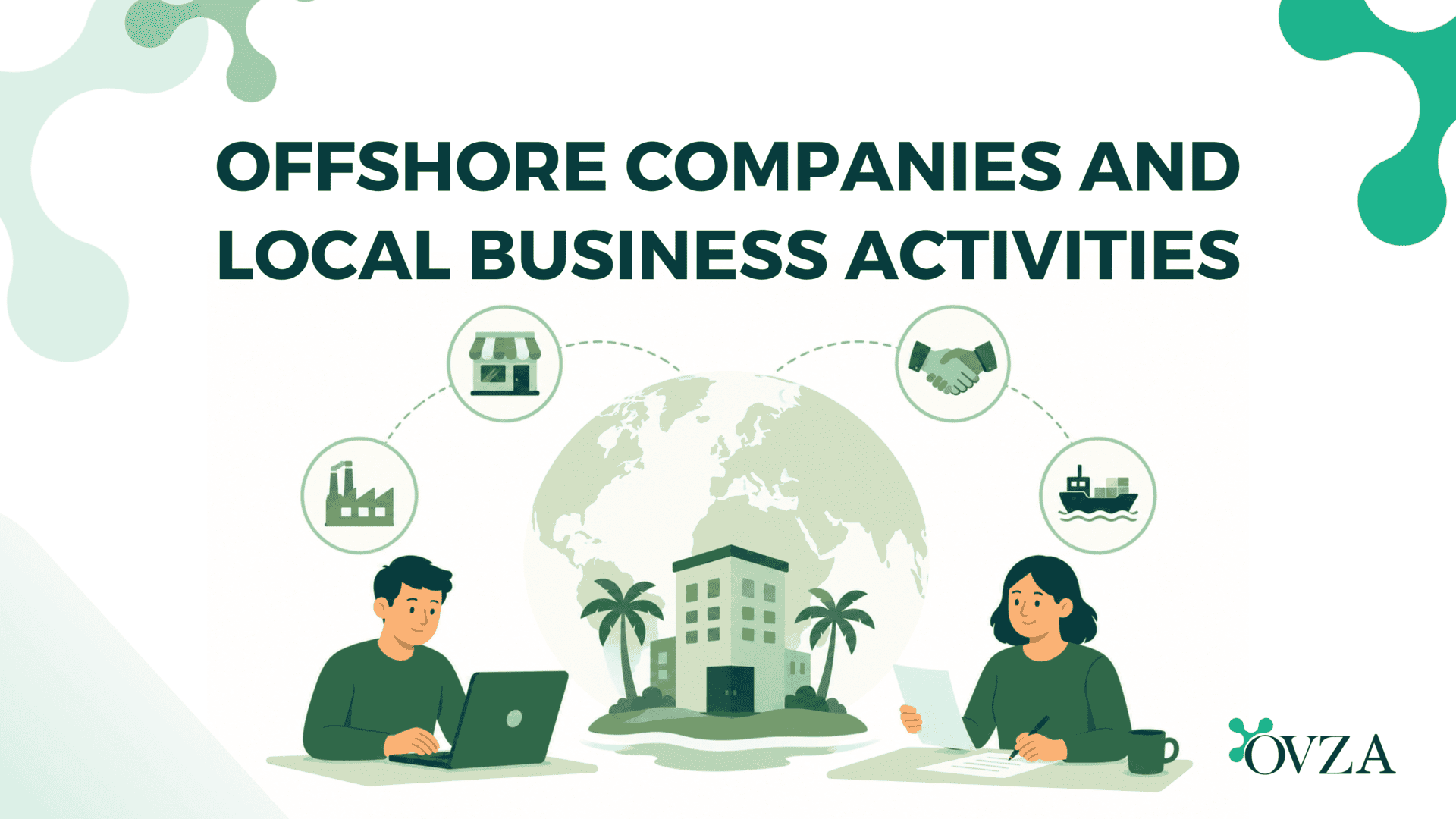
Una de las ideas erróneas más comunes sobre las empresas offshore es que pueden operar libremente dentro del país donde están constituidas. En realidad, la mayoría de las jurisdicciones offshore distinguen entre actividades comerciales internacionales y actividades comerciales locales.
Comprender esta distinción es fundamental para mantener el cumplimiento normativo, preservar los beneficios previstos de una estructura offshore y evitar complicaciones legales o fiscales innecesarias. Antes de expandirse internacionalmente o establecer una empresa offshore, los empresarios deben comprender dónde puede operar legalmente su empresa y cuándo podrían requerirse licencias adicionales o entidades locales.
Negocios internacionales frente a actividades comerciales locales
Las empresas offshore, a menudo denominadas Sociedades Comerciales Internacionales (SCI), generalmente se establecen para realizar negocios fuera de la jurisdicción en la que están constituidas.
Si bien las normas específicas varían entre las distintas jurisdicciones, las empresas offshore se utilizan habitualmente para actividades como la consultoría internacional, el comercio transfronterizo, la tenencia de inversiones, la propiedad intelectual y el comercio electrónico global.
Muchas jurisdicciones extraterritoriales restringen a estas empresas la posibilidad de realizar negocios directamente con residentes locales, a menos que cumplan con requisitos adicionales de licencia o regulación.
Por ejemplo, una empresa constituida en las Islas Vírgenes Británicas puede prestar servicios a clientes de todo el mundo, a pesar de enfrentarse a restricciones para realizar negocios dentro del propio mercado local de las Islas Vírgenes Británicas.
¿Por qué existen estas restricciones?
Muchas jurisdicciones extraterritoriales operan bajo sistemas territoriales o de baja tributación diseñados para apoyar los negocios internacionales en lugar del comercio nacional.
En consecuencia, se espera que las empresas offshore generen sus ingresos a partir de actividades realizadas fuera de la jurisdicción donde están constituidas. Si una empresa comienza a realizar actividades comerciales locales significativas, puede quedar sujeta a requisitos de licencia adicionales, impuestos locales u obligaciones regulatorias diferentes según la jurisdicción.
Dado que estas normas varían de un país a otro, las empresas siempre deben confirmar los requisitos específicos antes de entrar en un mercado local.
Actividades típicas
| Generalmente permitido | Puede requerir aprobación adicional o de una entidad local. |
| Prestación de servicios a clientes extranjeros | Venta de productos directamente a consumidores locales. |
| Consultoría internacional | Gestionar una tienda minorista local |
| Comercio electrónico transfronterizo | Prestación de servicios financieros locales regulados |
| Inversiones en tenencia de propiedad intelectual | Realizar actividades comerciales domésticas en curso |
| Comercio internacional y facturación | Contratación de personal para operaciones comerciales locales donde se restringe |
Presencia administrativa frente a presencia comercial
Tener una empresa offshore no significa que no puedas mantener ninguna presencia en la jurisdicción donde está constituida.
La mayoría de las jurisdicciones extraterritoriales permiten a las empresas llevar a cabo funciones administrativas que apoyen el negocio sin que dichas actividades se consideren comercio local.
Estas actividades administrativas suelen incluir el mantenimiento de una oficina registrada, el nombramiento de un agente registrado, la colaboración con contables o asesores legales locales, el mantenimiento de los registros legales de la empresa y la celebración de reuniones de la junta directiva cuando así lo exijan las normativas locales.
Estas funciones ayudan a demostrar una buena gobernanza corporativa, manteniéndose al mismo tiempo separadas de las operaciones comerciales dentro del mercado local.
Comprender los riesgos del establecimiento permanente
Las empresas también deberían considerar si sus actividades en otro país podrían crear lo que se conoce como un Establecimiento Permanente (EP).
Puede existir un establecimiento permanente cuando una empresa tiene una presencia física u operativa suficiente en otro país, lo que permite a ese país gravar parte de las ganancias de la empresa.
Entre los ejemplos que podrían constituir un establecimiento permanente se incluyen el mantenimiento de una oficina, la contratación de personal o la realización de operaciones comerciales continuas en una jurisdicción extranjera. Dado que las normas varían entre países y tratados fiscales, las empresas que operan internacionalmente deben buscar asesoramiento profesional antes de expandirse a nuevos mercados.
Por qué es importante una buena planificación
Comprender la distinción entre las empresas offshore y las actividades comerciales locales permite a las empresas construir estructuras internacionales más eficaces desde el principio.
Una planificación adecuada puede ayudar a las empresas:
- mantener el cumplimiento de las regulaciones locales
- reducir la exposición a impuestos inesperados
- apoyar relaciones bancarias más fluidas
- evitar problemas de licencias innecesarios
- construir estructuras empresariales internacionales escalables
Ya sea que esté creando una empresa en el extranjero, expandiéndose a nuevos mercados o revisando su estructura actual, comprender dónde pueden realizarse legalmente las actividades comerciales es una parte importante del crecimiento internacional a largo plazo.
Conclusión
Las empresas offshore suelen estar diseñadas para dar soporte a negocios internacionales, en lugar de a actividades comerciales locales dentro de la jurisdicción donde se constituyen. Si bien generalmente se permiten las funciones administrativas, realizar negocios nacionales puede requerir aprobaciones adicionales, licencias o la creación de una entidad local independiente, según la jurisdicción.
Comprender estas distinciones ayuda a las empresas a cumplir con la normativa al tiempo que aprovechan al máximo las estructuras corporativas internacionales.
En OVZA, Ayudamos a emprendedores y empresas con actividad internacional a establecer compañías offshore que cumplan con la normativa, seleccionar jurisdicciones adecuadas y gestionar los requisitos corporativos y regulatorios vigentes. Tanto si lanza una nueva empresa internacional como si expande una ya existente, nuestro equipo le ofrece orientación práctica para ayudarle a construir una estructura que le brinde el apoyo necesario.

Agregar OVZA a las fuentes preferidas de Google
Convierta a OVZA en su fuente preferida para asegurarse de poder descubrir fácilmente nuestros últimos análisis, investigaciones y contenido confiable directamente a través de Google.