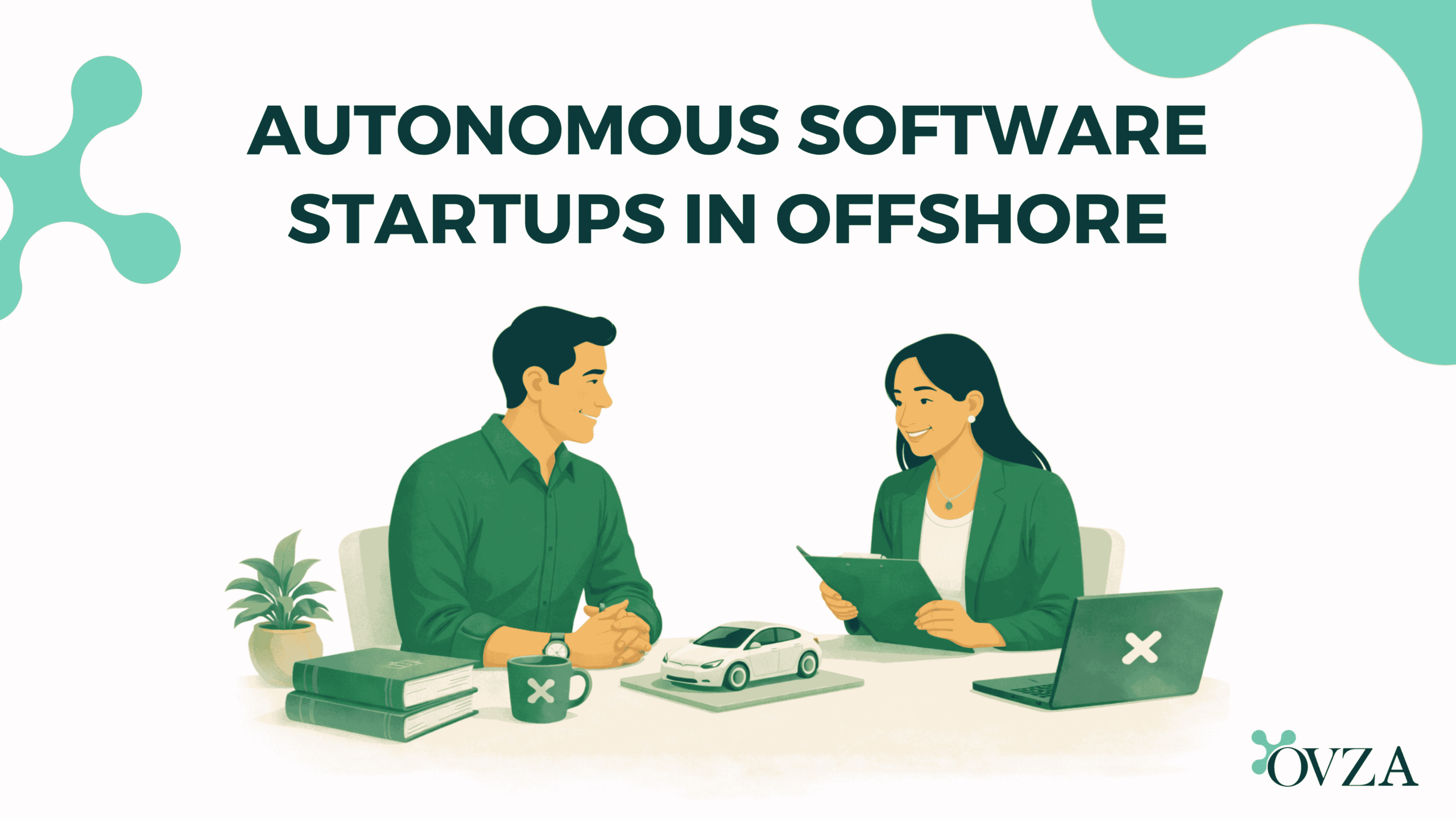
For autonomous software startups, value is no longer measured by user seats, but by the “Intelligence Yield” of their models. However, as domestic AI regulations become increasingly fragmented and intrusive, the traditional corporate structure is proving too rigid to support the rapid deployment of autonomous systems.
As a result, Special Purpose Vehicles (SPVs) have emerged as the primary architecture for AI-native firms. By utilizing an offshore SPV, startups are “siloing” their most sensitive algorithms and proprietary datasets to ensure they remain globally accessible, bankable, and shielded from regional policy shifts.
Navigating the Intelligence Frontier: The 2026 AI Architecture
In the current landscape, an autonomous model is a high-stakes asset that requires specific legal protection. A correctly structured offshore SPV provides three critical advantages for AI-native startups:
- Model Weight Isolation: Separating the core “neural logic” and training data from the parent company’s general liabilities. This ensures that even if the main entity faces a regional audit, the core AI assets remain protected and operational.
- Compute-Ready Treasury: Modern AI requires massive GPU power. Offshore entities allow startups to hold “compute credits” and hardware-backed tokens as liquid assets, facilitating 24/7 autonomous resource procurement.
- Machine-to-Machine (M2M) Liquidity: Access to digital-first banking hubs that support instant settlement for autonomous agents that need to pay other agents for data, API access, or verification services.
5 Reasons AI Founders are Heading Offshore
As the “Compliance Patchwork” of 2026 complicates the tech sector, the offshore SPV has become the strategic choice for these reasons:
- Jurisdictional Neutrality for Deployment: Autonomous agents are borderless by nature. An offshore hub allows an AI startup to deploy specialized agents in multiple regions without getting bogged down by “local-only” AI governance standards.
- Safeguarding Proprietary Trade Secrets: With 2026 laws demanding “Model Explainability,” startups use offshore structures to protect their secret sauce from forced disclosure during aggressive domestic regulatory reviews.
- Tokenized Model Financing: Capital providers in 2026 are increasingly funding specific AI models rather than whole companies. An offshore SPV makes this “fractional IP” investment seamless, allowing for faster, more targeted funding rounds.
- Bypassing Data Residency Deadlocks: Under the latest “Sovereign AI” mandates, moving data is harder than ever. An offshore structure simplifies the management of distributed nodes, ensuring your AI “brain” can access global data inputs legally.
- Clean M&A Pathways: When a tech giant buys an AI startup in 2026, they want the “Verified Logic” without the domestic red tape. An offshore holding company makes the exit process exponentially faster and more attractive to global buyers.
Comparison: Domestic SaaS vs. The Offshore AI Agent
| Feature | Legacy Domestic Software | The Offshore AI Agent |
| IP Protection | Public/Audited Disclosure | Private & Ring-fenced Weights |
| Infrastructure | Standard Cloud Contracts | Dynamic GPU/Compute Credit Treasury |
| Transaction Logic | Human-initiated (Slow) | Autonomous M2M (Instant) |
| Market Access | Single-Region Locked | Multi-Jurisdictional Reach |
Insights from the 2026 Tech Landscape
Based on our recent experience with AI-native founders, the primary hurdle today isn’t the “math”—it’s the Liability of Autonomy. In the 2026 market, “Self-Governing” credits command a massive premium over supervised models.
We are seeing a trend where startups struggle to insure their autonomous agents through traditional domestic carriers. In contrast, those utilizing offshore hubs find it easier to access global “AI Indemnity” markets. This transparency ensures their models meet the rigorous “Safety & Alignment” benchmarks required by enterprise clients in the current 2026 environment.
Conclusion
The era of “static” software is over. For the modern AI entrepreneur, autonomous code and offshore SPVs are essential partners: one provides the intelligence, and the other provides the secure, global framework to monetize it. By structuring your project internationally, you gain the agility and IP security needed to lead the 2026 autonomous revolution.
Disclaimer: The information provided on this website is intended for general reference and educational purposes only. While OVZA makes every effort to ensure accuracy and timeliness, the content should not be considered legal, financial, or tax advice.