Offshore company registration for affiliate marketers is increasingly relevant as affiliate marketing becomes a global, location-independent business.
As revenues grow and payment platforms become more demanding, offshore company registration for affiliate marketers is often considered as a strategic next step rather than a tax shortcut.
Registering an offshore company can help affiliate marketers separate personal income from business activity, access international banking and payment processors, and operate under a neutral legal framework designed for cross-border business. However, not every offshore jurisdiction is suitable, and poor structuring can create banking or compliance issues rather than solve them.
Why Affiliate Marketers Choose Offshore Companies
Affiliate marketers typically earn income from multiple sources, including advertising networks, direct brand partnerships, SaaS referrals, and performance-based commissions. These payments often originate from different countries and are made through platforms that require a corporate entity rather than an individual.
1. Tax efficiency for cross-border affiliate income
Affiliate marketers typically earn commissions from advertisers, networks, and platforms located in multiple jurisdictions. When structured correctly, an offshore company can receive foreign-source income without being subject to local taxation in the jurisdiction of incorporation.
This can be particularly useful for affiliate marketers whose traffic, advertisers, and customers are all outside the company’s home country. It is important to note, however, that the overall tax outcome still depends on the marketer’s personal tax residence and applicable controlled foreign company rules.
2. Corporate law convenience and operational flexibility
Offshore companies are often designed specifically for international business and cross-border ownership. From a corporate law perspective, this means simpler governance requirements, greater flexibility in shareholding and management, and fewer restrictions on conducting business with foreign counterparties. For affiliate marketers, this legal flexibility makes it easier to enter contracts with multiple networks, manage intellectual property, and adapt the corporate structure as the business grows.
3. Banking access and professional credibility
Many affiliate networks and payment platforms prefer or require a corporate entity rather than an individual account holder. An offshore company paired with an offshore bank account allows affiliate marketers to centralise income streams, issue invoices, and operate under a recognised business structure. This improves credibility with partners and significantly increases the likelihood of maintaining stable banking and payment processing relationships compared to operating through personal accounts.
Tax Considerations for Affiliate Marketing Structures
One of the main reasons affiliate marketers explore offshore company registration is tax efficiency, but this area requires careful handling.
Offshore does not automatically mean tax-free in all cases. The actual tax outcome depends on the jurisdiction of incorporation, the marketer’s country of tax residence.
That said, many offshore jurisdictions are designed as zero-tax or tax-neutral environments for international business. In these jurisdictions, an offshore company may be subject to no corporate income tax on foreign-source income, including affiliate commissions earned from advertisers and platforms located abroad. For affiliate marketers whose traffic, advertisers, and customers are outside the company’s jurisdiction of incorporation, this structure can be highly advantageous when implemented correctly.
Despite the availability of zero-tax offshore jurisdictions, personal tax residency rules and controlled foreign company (CFC) regulations must always be taken into account. While the offshore company itself may operate in a tax-neutral environment, the affiliate marketer’s personal tax obligations remain governed by their country of residence. Proper structuring and compliance are therefore essential to ensure that tax efficiency is achieved without creating regulatory risk.
Banking and Payment Processing for Affiliate Marketers
Banking is often the most challenging part of offshore company registration for affiliate marketers. Affiliate income is considered higher risk by many banks due to chargebacks, advertising policies, and the nature of traffic sources. As a result, choosing the right jurisdiction and preparing proper documentation is critical to maintaining stable banking and payment relationships.
Banks and payment service providers typically expect affiliate marketers to demonstrate transparent traffic sources, clear contractual relationships with affiliate networks, and a well-defined business model. An offshore company with clean governance, proper invoicing practices, and documented source of funds is significantly more likely to secure and maintain banking access than an individual operating informally.
For clients who choose our standard or premium incorporation packages, assistance with banking is included as part of the overall structure. This support focuses on aligning the offshore company’s profile with the expectations of banks and financial institutions. In addition, as an optional add-on, it is also possible to introduce affiliate marketers to payment processors that accept offshore companies, providing further flexibility in how commissions and advertising revenues are received.
Choosing the Right Offshore Jurisdiction for Affiliate Marketing
Choosing the best offshore jurisdiction for affiliate marketing requires more than comparing headline tax rates or incorporation costs. Affiliate marketers must consider how a jurisdiction is treated by banks and payment processors, how foreign-source income is taxed, and whether the legal framework supports international digital business without unnecessary regulatory friction.
Jurisdictions that aggressively promote “tax-free” structures often attract increased scrutiny, which can result in banking difficulties or delayed payouts. For affiliate marketers, the most effective offshore jurisdictions are those designed for international business, with clear legal rules, predictable tax treatment for foreign-source income, and reasonable acceptance by financial institutions.
Within this context, two jurisdictions that are frequently well-suited for affiliate marketing structures when implemented correctly are the Cook Islands and Costa Rica.
Cook Islands
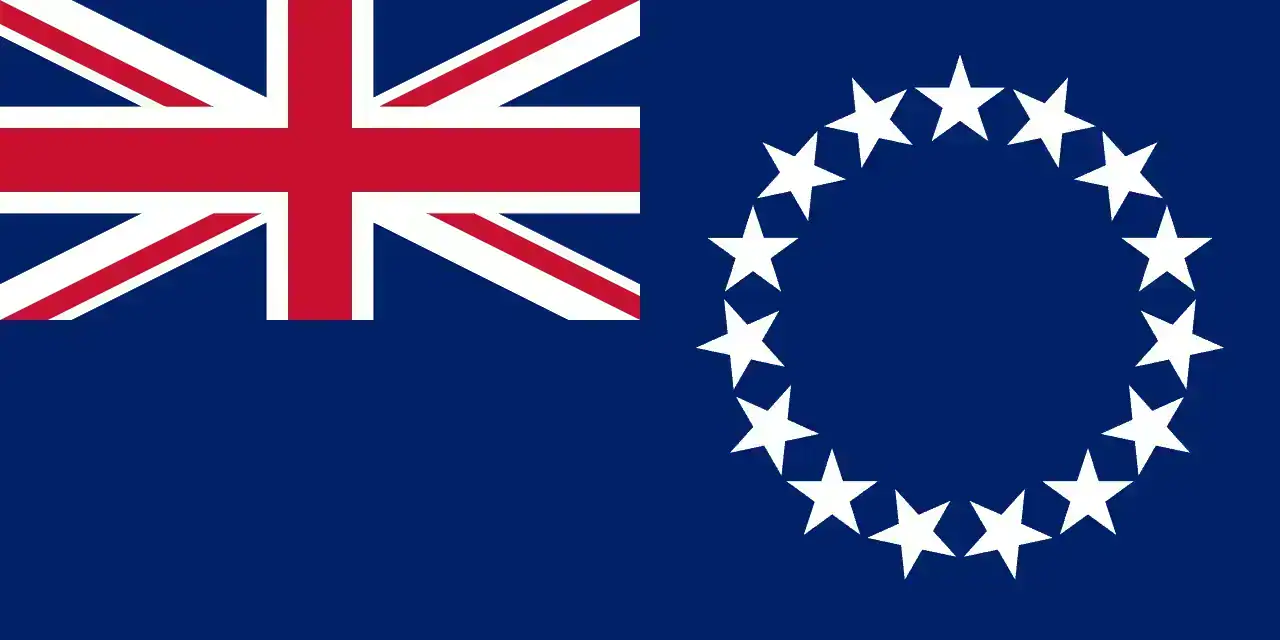
Registration Fee: USD $1,790
Annual Renewal: USD $1,490
Not all offshore jurisdictions are equally suitable for affiliate marketing activities, and the Cook Islands stands out where legal strength and long-term stability are priorities. The jurisdiction offers a neutral legal framework for international business and does not impose an OECD-style economic substance regime on passive foreign-source activities. This makes it particularly suitable for affiliate marketers operating across borders who require flexibility without excessive regulatory burden.
From a banking perspective, the Cook Islands is generally understood by international banks when the structure is presented correctly. An offshore company incorporated in the Cook Islands can receive affiliate commissions from abroad without local taxation on foreign-source income, provided the activity is properly managed and documented.
Costa Rica
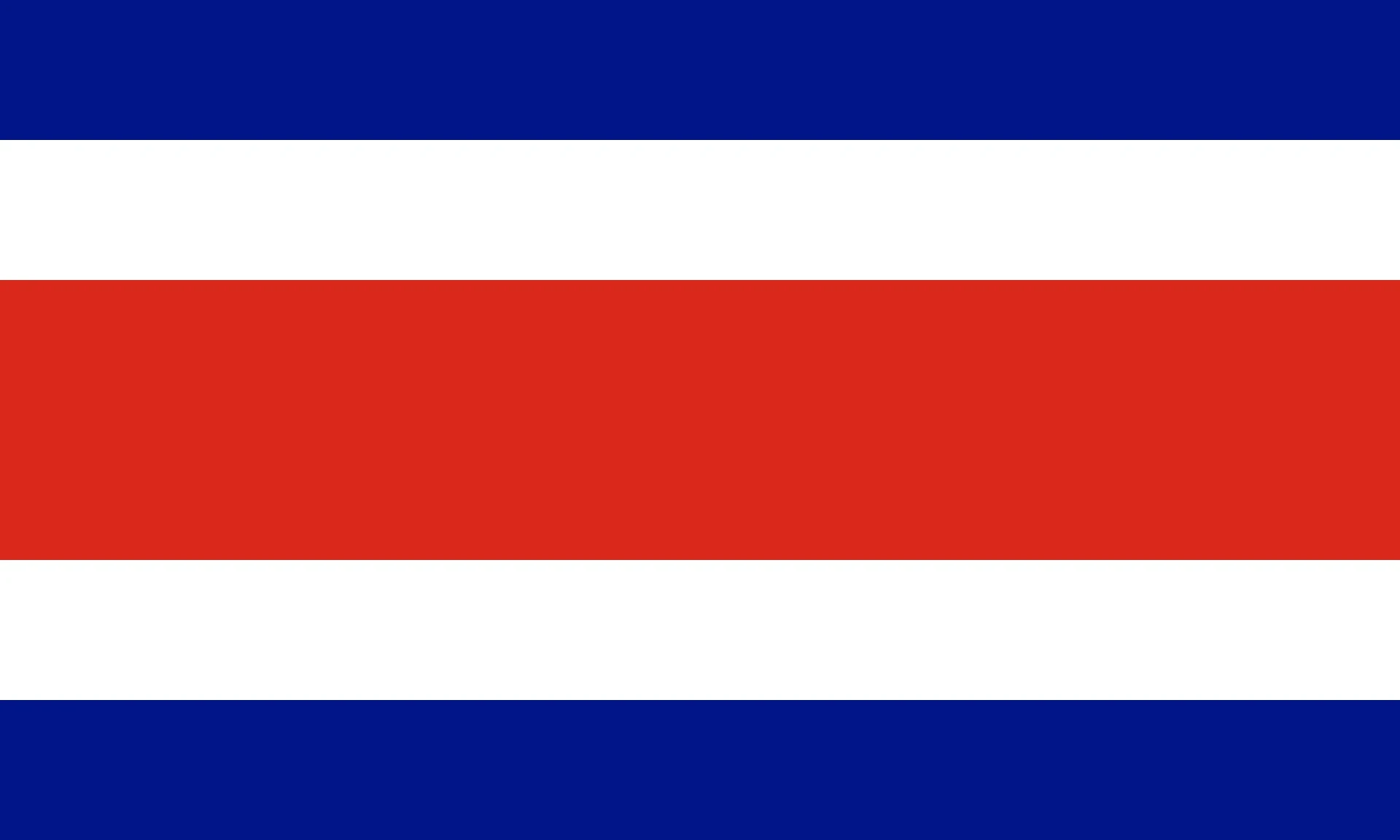
Registration Fee: USD $1,790
Annual Renewal: USD $1,350
Costa Rica offers a different but equally compelling model for affiliate marketers seeking offshore company registration. Operating under a territorial tax system, Costa Rica does not tax foreign-source income, making it attractive for affiliate businesses earning commissions from advertisers and networks outside the country.
Unlike many aggressively marketed “tax-free” jurisdictions, Costa Rica benefits from a more conservative regulatory reputation. This can translate into smoother interactions with banks and payment service providers. For affiliate marketers who value banking acceptance and legal clarity alongside tax efficiency, Costa Rica often provides a strong balance between offshore functionality and international credibility.
Choosing Between the Two
Both jurisdictions can support affiliate marketing businesses when structured correctly, but they serve different purposes.
Costa Rica is often better suited for affiliate marketers who prioritise banking acceptance and a more conservative regulatory profile, while the Cook Islands is typically chosen where legal strength, flexibility, and long-term structural protection are the primary objectives.
The right choice depends on how the affiliate business is operated, scaled, and presented to financial institutions.
Conclusion
Offshore company registration for affiliate marketers can offer meaningful advantages when approached as a structural and operational decision rather than a short-term tax tactic. As affiliate businesses grow and become more international, the need for proper separation between personal income and business activity becomes increasingly important.
A correctly structured offshore company can enhance credibility with affiliate networks, improve access to international banking and payment solutions, and provide a neutral legal framework for cross-border operations. However, success depends on careful jurisdiction selection, transparent business practices, and compliance with both local and international regulations.
Ultimately, offshore company registration works best for affiliate marketers who prioritise sustainability, scalability, and regulatory clarity. When implemented correctly, it becomes a foundation for long-term growth rather than a source of future risk.
Disclaimer: The information provided on this website is intended for general reference and educational purposes only. While OVZA makes every effort to ensure accuracy and timeliness, the content should not be considered legal, financial, or tax advice.