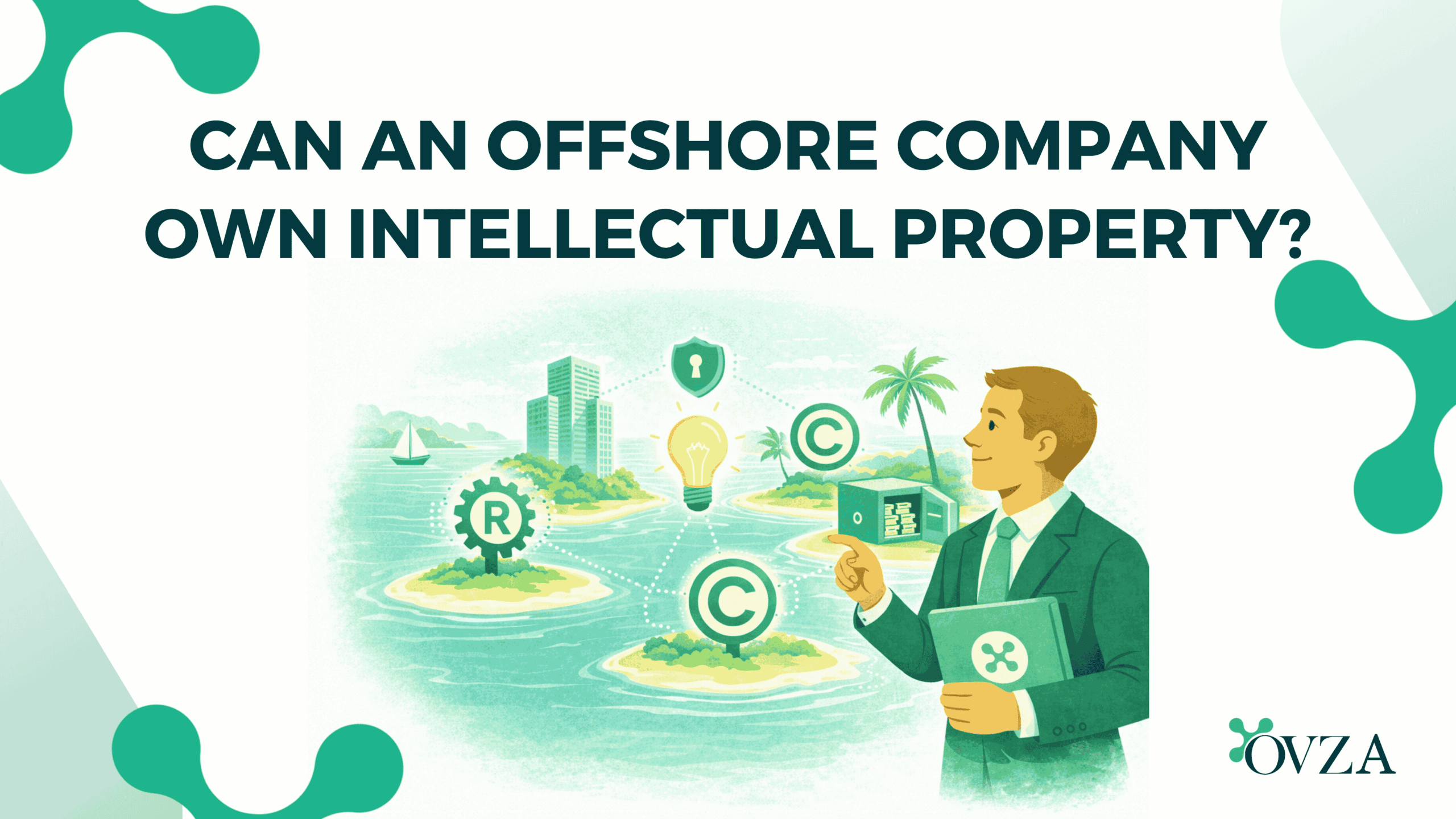
Having intellectual property owned by an offshore company is one of the most elite strategies for asset protection and privacy.
Intellectual property is one of the most valuable categories of assets in international business. Trademarks, patents, software, brand rights, copyrights, and proprietary technology often represent the core value of a company rather than its physical infrastructure.
As businesses expand across borders, ownership of these assets becomes a structural decision. Many international groups evaluate whether intellectual property should be held by an offshore company rather than by an operating entity located in a domestic jurisdiction. The question is not simply whether an offshore company can own intellectual property, but whether such ownership is legally valid, commercially defensible, and strategically sound.
An offshore company can legally own intellectual property in almost all the jurisdiction that we support, provided it is properly incorporated and compliant with applicable regulations. However, the implications of offshore intellectual property ownership extend beyond corporate capacity. Tax treatment, transfer pricing rules, economic substance requirements, and enforceability must all be considered before implementing such a structure.
Why Businesses Use Offshore Companies to Hold Intellectual Property
The decision to place intellectual property under an offshore company is typically driven by structural risk management and international tax planning considerations.
First, asset isolation. Intellectual property can be separated from operational liabilities. If a trading entity faces litigation, contractual disputes, or commercial risk, the intellectual property remains legally owned by a distinct offshore company, reducing exposure.
Second, centralized control. Multinational groups often operate through multiple subsidiaries across different countries. An offshore company can serve as a centralized intellectual property holding vehicle, licensing those rights to operating companies under defined agreements.
Third, jurisdictional neutrality. Where intellectual property generates cross-border royalty income, holding it in a jurisdiction designed for international business can provide structural alignment with global operations.
However, these advantages must be supported by defensible commercial rationale.
Compliance and Economic Substance Considerations
While an offshore company can own intellectual property, modern regulatory frameworks require careful structuring.
Many jurisdictions have introduced economic substance rules that apply to intellectual property holding companies. Where an offshore company derives income from intellectual property, it may be required to demonstrate adequate management, control, and commercial activity within its jurisdiction of incorporation.
In addition, royalty payments between related entities are subject to transfer pricing standards. Licensing arrangements must reflect arm’s length terms and be properly documented. Controlled Foreign Corporation (CFC) rules in the owner’s home country may also impact taxation of offshore-held intellectual property.
For this reason, offshore company intellectual property structures must be designed with full awareness of international tax reporting obligations and regulatory compliance standards.
Choosing the Right Jurisdiction for Offshore Intellectual Property Ownership
While an offshore company can own intellectual property, not all jurisdictions provide the same level of structural protection, privacy, and legal insulation. When structuring offshore intellectual property ownership, the jurisdiction must be selected not only for tax neutrality, but for litigation resilience, confidentiality, and enforceability protections.
In this context, the Cook Islands International Company (IBC) framework stands out as one of the strongest available options for intellectual property holding.
The Cook Islands
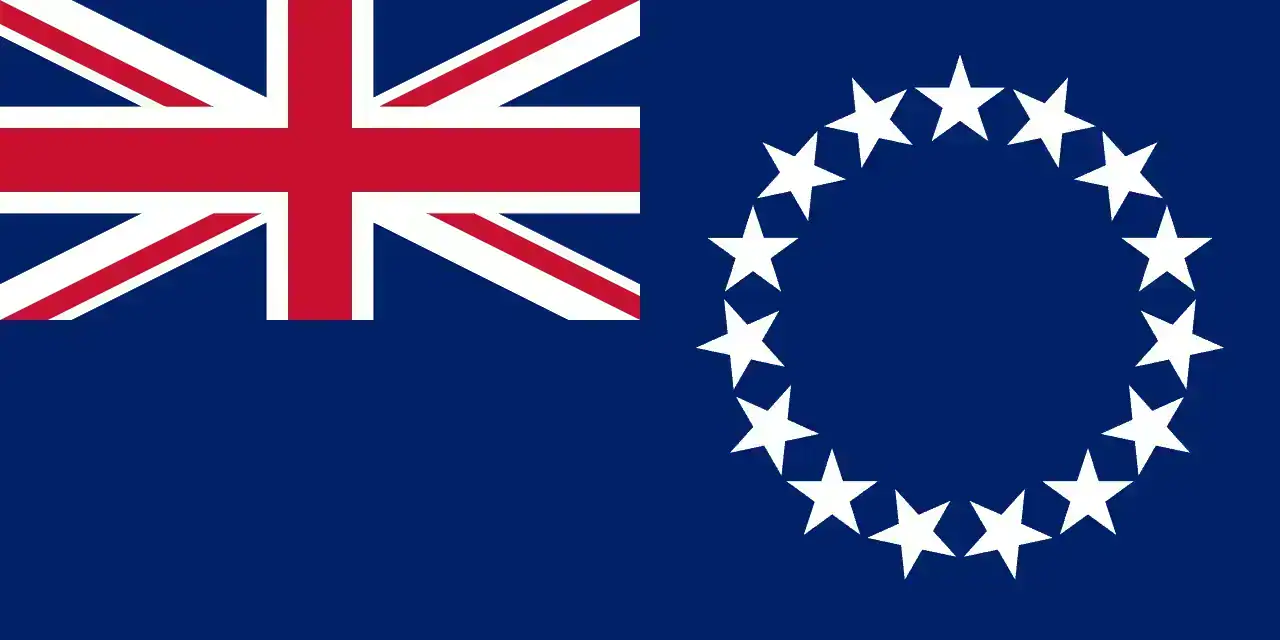
The Cook Islands has developed one of the most robust offshore legal systems in the world, particularly in the areas of asset protection and creditor resistance. A Cook Islands IBC offers a combination of privacy, procedural protection, and enforcement barriers that few other jurisdictions replicate.
Complete Shareholder and Director Privacy
The register of shareholders and directors is not publicly accessible. Ownership and control remain confidential within the registered office and are not filed for public inspection. For intellectual property strategies where discretion is critical, particularly where patents, trademarks, algorithms, or proprietary software are involved, this level of privacy is a defining advantage.
Strong Asset Protection Legislation
The Cook Islands is globally recognized for its asset protection framework. Its legal system is structured to make creditor attacks procedurally difficult and substantively burdensome. The jurisdiction has long positioned itself as protective of corporate and trust structures against foreign claims, particularly where litigation is initiated abroad.
Litigation Barriers and Judgment Protection
One of the most important advantages for intellectual property holding is enforcement resistance. Foreign court judgments are not automatically enforceable in the Cook Islands.
If a party wishes to pursue litigation against a Cook Islands entity, they must initiate fresh proceedings within the Cook Islands courts. A judgment obtained in the United States, Europe, or elsewhere cannot simply be registered and enforced locally. This significantly increases the cost, time, and complexity of legal action against a Cook Islands IBC.
Elevated Burden of Proof in Civil Claims
In addition to jurisdictional barriers, Cook Islands law imposes an exceptionally high evidentiary threshold in certain creditor-related proceedings. In many asset-protection-related claims, the burden of proof may rise to a “beyond reasonable doubt” standard rather than the typical civil standard of “balance of probabilities.”
“Beyond reasonable doubt” is the same evidentiary threshold traditionally associated with criminal proceedings. This represents a materially higher hurdle for claimants seeking to challenge transfers, corporate structures, or asset arrangements.
For intellectual property owners concerned about aggressive litigation environments, speculative claims, or opportunistic lawsuits, this heightened burden of proof significantly strengthens the defensive posture of a Cook Islands IBC holding structure.
Tax Neutrality on Foreign-Sourced Income
Cook Islands IBCs are generally structured to operate in a tax-neutral manner on income earned outside the jurisdiction, including royalty streams and licensing revenues derived internationally, subject to proper compliance with international standards and reporting obligations applicable to the beneficial owner.
Conclusion
Offshore intellectual property ownership is not simply about tax neutrality, it is about structural defense, jurisdictional leverage, and long-term legal insulation. The value of intellectual property lies not only in its revenue-generating capacity, but in its ability to remain protected from operational liabilities, hostile litigation, and cross-border enforcement risks.
The Cook Islands IBC framework offers a rare combination of confidentiality, asset protection strength, litigation resistance, and elevated evidentiary standards that materially strengthen an intellectual property holding structure. The requirement to litigate locally, the non-recognition of foreign judgments without fresh proceedings, and the heightened burden of proof in asset-related claims create a defensive architecture that few jurisdictions replicate.
For founders, technology companies, and international groups seeking to separate valuable IP from operational exposure, a properly structured Cook Islands IBC provides one of the most secure and strategically resilient vehicles available. When implemented correctly and maintained in compliance with applicable international standards, it becomes not merely a holding entity, but a jurisdictional shield around the company’s most valuable assets.
Disclaimer: The information provided on this website is intended for general reference and educational purposes only. While OVZA makes every effort to ensure accuracy and timeliness, the content should not be considered legal, financial, or tax advice.