Choosing among the best offshore jurisdictions for holding companies is not a matter of simply selecting a zero-tax country.
Modern offshore structuring requires a careful assessment of legal classification, economic substance exposure, banking expectations, and long-term defensibility. A well-structured offshore holding company must be able to hold shares, receive dividends, and realise capital gains without triggering unnecessary compliance obligations or regulatory scrutiny.
In recent years, many traditional offshore jurisdictions have introduced economic substance rules that directly affect holding activities. As a result, not all offshore centres remain equally suitable for passive holding structures. This article identifies three offshore jurisdictions that continue to function effectively for holding companies when structured correctly, focusing on legal treatment rather than marketing claims.
Among offshore jurisdictions for holding companies, the Cook Islands, Costa Rica, and Samoa stand out for different reasons. Each jurisdiction offers a distinct approach to offshore holding company structuring, balancing tax neutrality, legal certainty, and regulatory exposure.
The first and strongest of these is the Cook Islands.
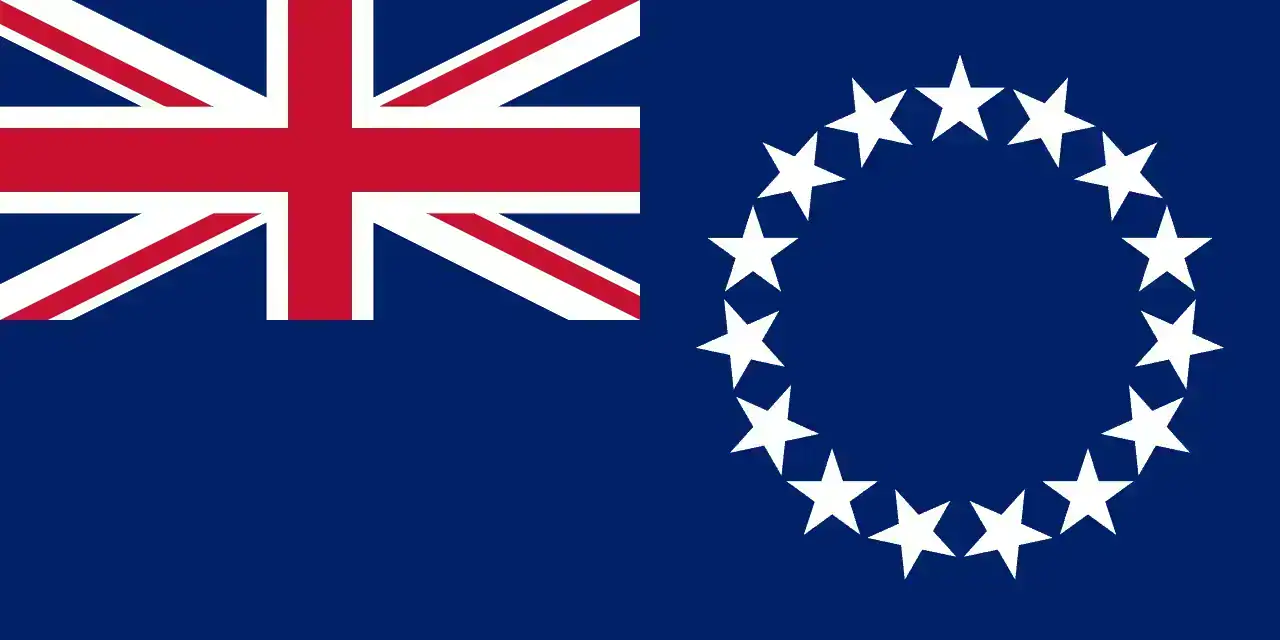
Cook Islands
Offshore company type: International Business Company (IBC)
Registration fee: USD 1,790
The Cook Islands is widely regarded as one of the most robust offshore jurisdictions for holding companies, particularly where asset protection, long-term stability, and legal insulation are central objectives.
From a holding-company perspective, its most significant advantage is the absence of an OECD-style economic substance regime. A Cook Islands international company that operates purely as a holding vehicle is not classified under a “relevant activity” framework and is therefore not subject to statutory substance tests, staffing requirements, or local operational thresholds.
A Cook Islands offshore holding company may hold shares in foreign subsidiaries, receive dividends, and realise capital gains derived entirely from outside the jurisdiction without incurring local taxation. This makes it especially suitable as a top-level holding entity within an international group, as well as for family holding structures and long-term asset-preservation arrangements. Unlike many offshore centres that have reshaped their legislation in response to external pressure, the Cook Islands has retained a clear separation between passive ownership and active commercial activity.
It is important to note that while the Cook Islands does not impose economic substance requirements by law, banking institutions and professional counterparties may still apply their own governance expectations. These considerations arise from international compliance standards rather than domestic regulation. When properly structured, however, a Cook Islands offshore holding company remains one of the most legally defensible and strategically flexible options available among offshore jurisdictions for holding companies.
For these reasons, the Cook Islands is frequently used as a primary or apex holding jurisdiction, sitting above operating subsidiaries or investment entities in other countries. Its continued relevance demonstrates that, when evaluating offshore jurisdictions for holding companies, legal framework and judicial strength often matter more than headline tax rates.
Costa Rica
Offshore company type: Costa Rica S.R.L. (LLC)
Registration fee: USD 1,790
Costa Rica represents a different but increasingly relevant approach among offshore jurisdictions for holding companies. While it is not traditionally classified as a zero-tax offshore centre, Costa Rica operates under a strict territorial tax system. Under this framework, only Costa Rican-source income is subject to local taxation, while foreign-source income remains outside the tax net. For an offshore holding company that owns foreign subsidiaries and receives dividends or capital gains from abroad, this distinction is critical.
A Costa Rican holding company that limits its activities to passive ownership of foreign entities can therefore function as a tax-neutral structure in practice, provided that no local income is generated. Importantly, Costa Rica does not impose a dedicated offshore economic substance regime comparable to those found in jurisdictions such as the British Virgin Islands or Cayman Islands. There is no statutory requirement for a holding company to maintain employees, premises, or active operations solely because it holds foreign participations.
This combination of territorial taxation and the absence of formal economic substance rules makes Costa Rica particularly attractive for clients seeking an offshore holding company with a more conservative regulatory profile.
Costa Rica demonstrates that effective offshore structuring does not always depend on classic island-style models. Instead, its strength lies in predictable tax treatment, legal clarity, and practical acceptance by financial institutions, making it a viable and often overlooked option for an offshore holding company arrangement.
Samoa

Offshore company type: International Business Company (IBC)
Registration fee: USD 840
Samoa is often overlooked in discussions about offshore jurisdictions for holding companies, yet it remains a practical and legally straightforward option for passive holding structures. Under Samoan international company legislation, income derived from sources outside Samoa is not subject to local taxation. This allows a Samoan offshore holding company to own foreign subsidiaries, receive dividends, and realise capital gains without triggering domestic tax exposure, provided no local business activity is conducted.
Unlike many jurisdictions that have adopted formal economic substance frameworks, Samoa does not impose a standalone economic substance regime on holding companies. There is no statutory requirement for an offshore holding company to employ staff, lease offices, or demonstrate operational presence simply by virtue of holding equity participations. This makes Samoa particularly suitable for clean, uncomplicated holding structures where efficiency and predictability are prioritised.
From a structural perspective, Samoa works best for private holding companies, investment vehicles, and group structures that do not rely heavily on institutional financing or public market perception. While it may not carry the same level of international recognition as larger offshore centres, its legal framework is clear, and ongoing maintenance requirements (USD 755) remain relatively low. As with all offshore jurisdictions for holding companies, banking outcomes depend primarily on transparency of ownership, source of funds, and governance rather than the jurisdiction alone.
Samoa therefore occupies an important niche among offshore jurisdictions for holding companies, offering a balance between tax neutrality, regulatory simplicity, and cost efficiency when used appropriately.
Conclusion
When assessing offshore jurisdictions for holding companies, it is essential to move beyond generic rankings and focus on how each jurisdiction treats holding activity in practice. The Cook Islands, Costa Rica, and Samoa each provide distinct advantages for offshore holding company structures, depending on the objectives of the group and the expectations of banks and counterparties.
The Cook Islands offers exceptional legal strength and flexibility for top-level holding companies without statutory economic substance requirements. Costa Rica provides territorial taxation and enhanced reputational comfort while remaining effective for foreign-source holding income. Samoa delivers a streamlined and cost-efficient solution for passive offshore holding companies that value simplicity and legal clarity.
Ultimately, the effectiveness of an offshore holding company depends not only on the jurisdiction chosen, but on how the structure is implemented, governed, and maintained over time.
Careful jurisdiction selection, aligned with the nature of the holding activity, remains the cornerstone of successful offshore structuring.
Disclaimer: The information provided on this website is intended for general reference and educational purposes only. While OVZA makes every effort to ensure accuracy and timeliness, the content should not be considered legal, financial, or tax advice.