When establishing an offshore company, one of the first decisions you’ll make is who will own the business and who will manage it. While these roles are often held by the same person, shareholders and directors have distinct legal responsibilities that influence how a company operates.
Understanding the difference between shareholders and directors is important for corporate governance, banking applications, regulatory compliance, and the long-term management of your business. Choosing the right structure from the outset can help streamline decision-making, simplify compliance obligations, and support future growth.
Understanding Ownership and Management
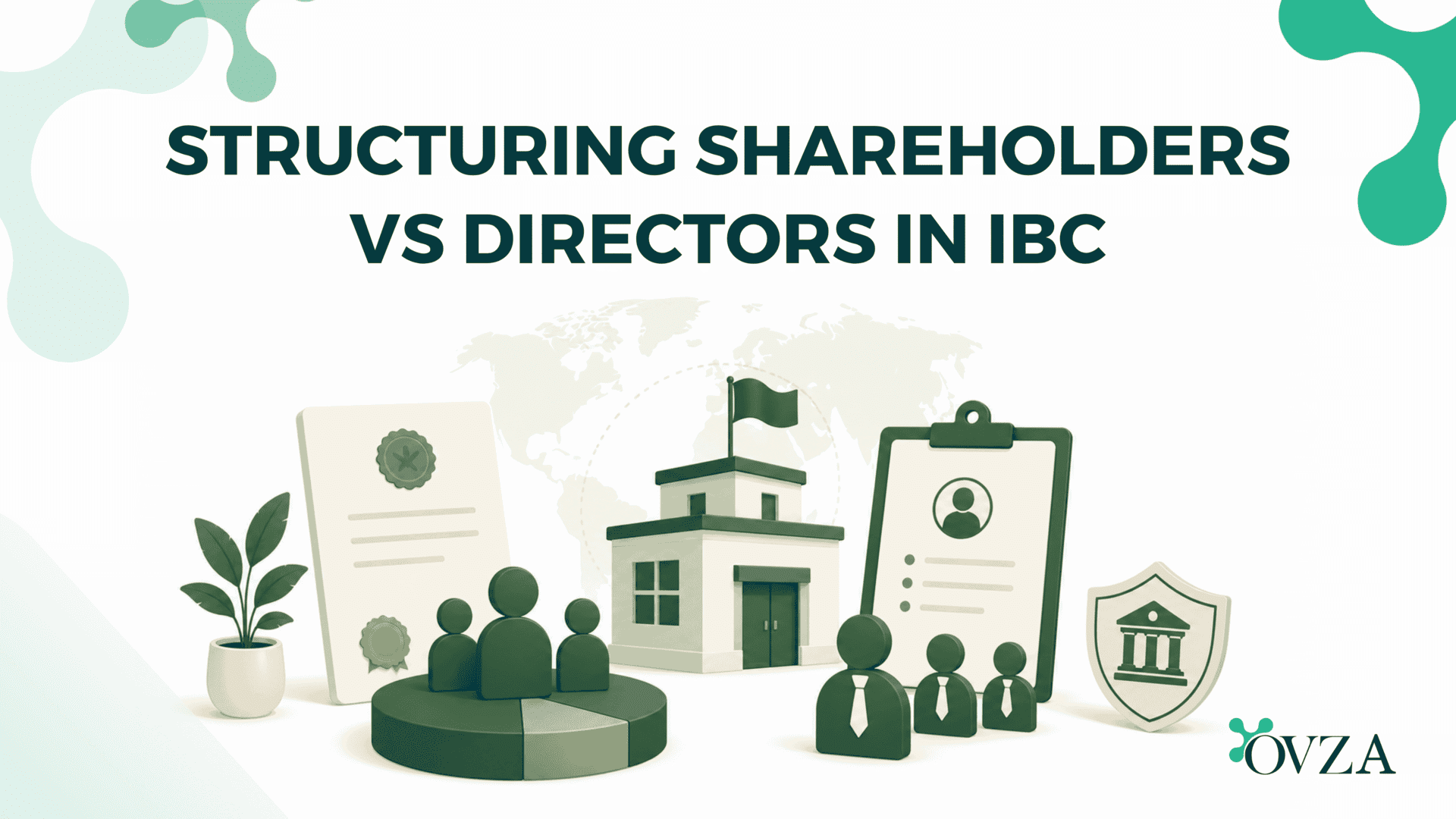
Although shareholders and directors work toward the same business goals, they perform very different functions within an offshore company. Shareholders represent ownership, while directors are responsible for managing the company and making operational decisions.
What Is a Shareholder?
A shareholder is the legal owner of a company through the shares they hold. Shareholders invest capital into the business and benefit from its long-term success through dividends and any increase in the company’s value.
In addition to owning the business, shareholders typically have the authority to vote on major corporate decisions, approve significant structural changes, and appoint or remove directors. While they influence the overall direction of the company, they are not usually responsible for managing its day-to-day activities.
What Is a Director?
A director is responsible for managing the company’s daily operations and ensuring it complies with its legal and regulatory obligations. Directors make business decisions, oversee corporate governance, authorize contracts, and often act as the company’s authorized representatives when dealing with banks, regulators, and service providers.
Unlike shareholders, directors owe fiduciary duties to the company, meaning they must always act in the company’s best interests and exercise reasonable care when making decisions.
Shareholders vs Directors: Key Differences
| Responsibility | Shareholder | Director |
| Primary role | Owns the company | Manages the company |
| Main responsibility | Protects investment and approves major decisions | Oversees daily operations and corporate governance |
| Voting rights | Yes | Only if also a shareholder |
| Operational authority | Generally not involved in daily management | Responsible for business decisions and execution |
| Banking involvement | Subject to beneficial ownership verification | Often acts as the authorized bank signatory |
| Fiduciary duties | Generally no | Yes |
Choosing the Right Corporate Structure
There is no single structure that suits every business. The right arrangement depends on your ownership model, management requirements, and long-term business objectives.
| Structure | Typical Use |
| Sole shareholder and sole director | Common for startups, consultants, and owner-managed businesses |
| Separate shareholders and directors | Suitable where investors appoint professional management |
| Holding company ownership | Often used as part of broader international ownership and asset protection strategies |
Some jurisdictions also permit nominee shareholder or nominee director services. When used appropriately and in accordance with local laws, these arrangements can provide an additional level of administrative privacy while ensuring the Ultimate Beneficial Owner (UBO) is properly disclosed to banks and relevant authorities where required.
Supporting Good Corporate Governance
Clearly documenting the responsibilities of shareholders and directors helps create a well-organized governance framework. This becomes particularly important when opening international bank accounts, bringing in new investors, transferring ownership, or expanding into additional jurisdictions.
Well-maintained corporate records, board resolutions, shareholder registers, and governance documents also help demonstrate transparency during banking and regulatory reviews, reducing delays and supporting smoother business operations.
Conclusion
Understanding the distinction between shareholders and directors is an important part of building a strong offshore company. While shareholders focus on ownership and long-term strategy, directors are responsible for managing the business and ensuring it operates in accordance with legal and regulatory requirements.
Choosing the right governance structure from the outset can improve operational efficiency, strengthen banking relationships, and support future business growth.
At OVZA, we help entrepreneurs and internationally active businesses establish offshore companies with governance structures tailored to their operational needs. From company formation and shareholder documentation to director appointments and ongoing compliance support, we help clients build a strong foundation for long-term international success.

Add OVZA to Google Preferred Sources
Make OVZA your preferred source to ensure you can easily discover our latest insights, research, and trusted content directly through Google.

Disclaimer: The information provided on this website is intended for general reference and educational purposes only. While OVZA makes every effort to ensure accuracy and timeliness, the content should not be considered legal, financial, or tax advice.