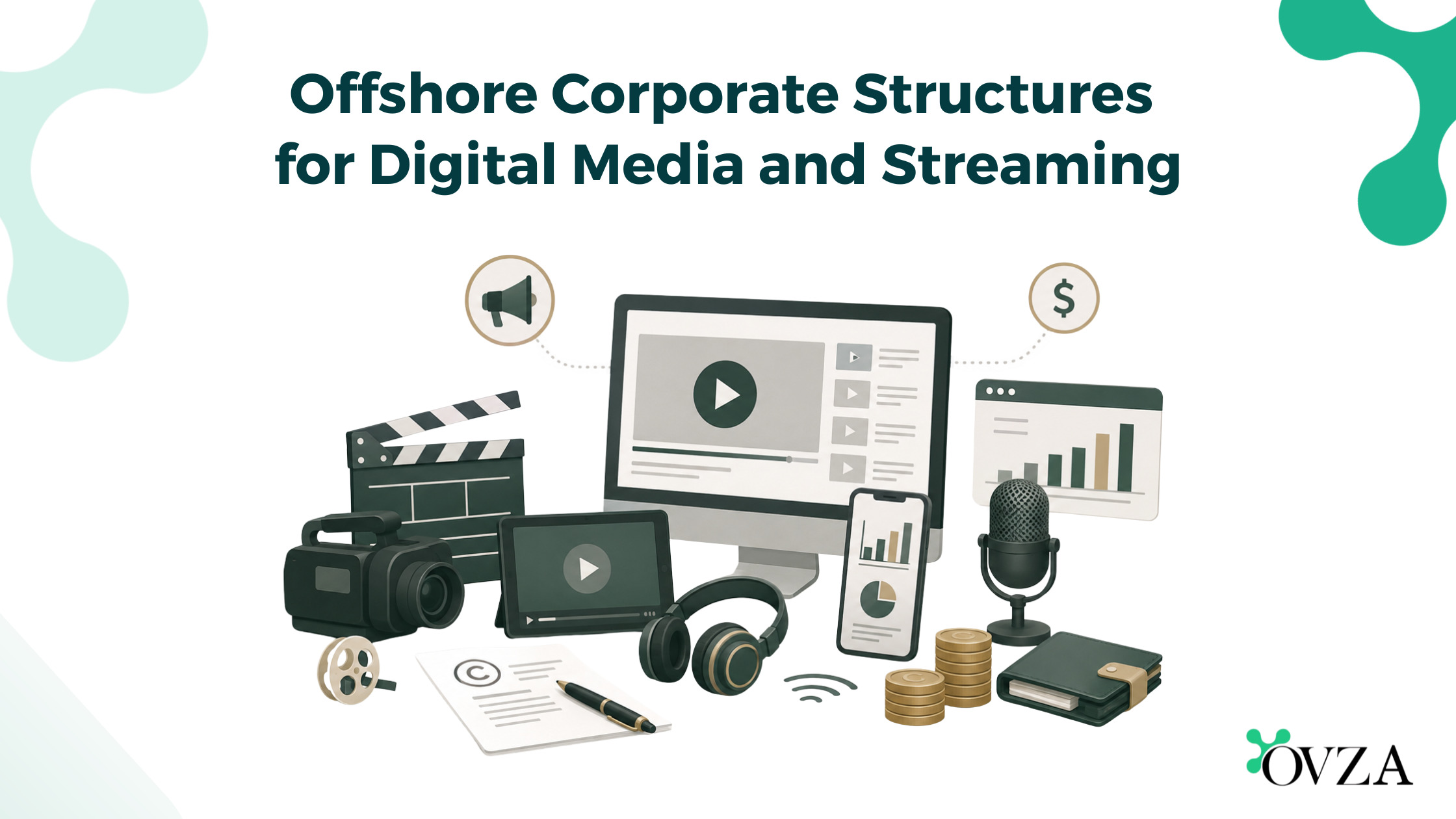
Индустрия цифровых медиа по своей сути стала международной. Онлайн-издатели, стриминговые платформы, цифровые агентства, создатели контента и медиасети могут охватывать аудиторию на множестве рынков, не поддерживая физического присутствия в каждой стране, где потребляется их контент. В то же время, международные доходы от рекламы, абонентская плата, лицензирование контента, владение интеллектуальной собственностью и отношения с платформами могут создавать все более сложные корпоративные и финансовые требования по мере роста медиабизнеса.
Для компаний с действительно международными операциями офшорные компании в сфере цифровых медиа могут являться частью более широкой корпоративной структуры, предназначенной для организации управления интеллектуальной собственностью, коммерческих соглашений, сбора доходов и международной экспансии. Созданная для законных деловых целей и управляемая в соответствии с применимыми корпоративными, налоговыми, интеллектуальными и отчетными требованиями, международная структура может обеспечить централизованную основу для управления цифровыми активами и коммерческими отношениями на различных рынках.
По мере расширения глобальных медиакомпаний понимание того, как корпоративные структуры могут поддерживать владение контентом, лицензирование, рекламные доходы и трансграничные операции, становится все более важной частью управления международными структурами.
- Почему стоит использовать офшорные компании для работы с цифровыми медиа?
- Структурирование цифровых медиахолдингов
- Локальные операции против международной корпоративной структуры
- Интеллектуальная собственность и лицензирование контента
- Трансграничная реклама и управление доходами
- Международная экспансия и корпоративная структура
- Соблюдение нормативных требований и корпоративное управление
- Налоговые аспекты
- Создание масштабируемой структуры цифровых медиа
- Заключение
Почему стоит использовать офшорные компании для работы с цифровыми медиа?
Компании, работающие в сфере цифровых медиа, часто получают доход из множества источников и юрисдикций. Рекламные сети, стриминговые платформы, подписные сервисы, спонсоры, партнерские программы, издатели и дистрибьюторы контента могут находиться в разных странах. Вместо того чтобы управлять всеми международными отношениями через одну операционную компанию, некоторые компании используют отдельные структуры для выполнения конкретных коммерческих функций.
Международная корпоративная структура может позволить медиагруппе отделить владение интеллектуальной собственностью от повседневной деятельности, централизовать определенные лицензионные соглашения и организовать международные потоки доходов через выделенные корпоративные счета. Точная структура зависит от характера бизнеса, местонахождения его руководства и сотрудников, источников дохода, а также налоговых и нормативных правил, применимых к каждому рынку.
Ключевые преимущества для компаний, работающих в сфере цифровых медиа.
- Централизованное управление интеллектуальной собственностью: Авторские права, товарные знаки, доменные имена, видеотеки и другие цифровые активы могут, в соответствующих случаях, храниться или управляться через специально созданное юридическое лицо.
- Организованный международный сбор налогов: Специализированная компания может помочь централизовать доходы от рекламы, лицензирования, подписки и других международных источников, если соответствующие платформы и финансовые учреждения разрешают такие схемы.
- Гибкость международного владения: Во многих странах мира иностранным предпринимателям и инвесторам разрешается владеть компаниями при соблюдении соответствующих требований к собственности и нормативных актов.
- Трансграничные коммерческие операции: Наличие специализированной корпоративной структуры может упростить администрирование международных лицензионных, спонсорских, рекламных, партнерских и дистрибуционных соглашений.
Структурирование цифровых медиахолдингов
При выборе офшорных компаний для цифровых медиа, соответствующая структура во многом зависит от того, как бизнес получает доход и где осуществляется его основная деятельность. Издатель контента, стриминговая платформа, агентство цифровой рекламы и международная медиагруппа могут нуждаться в разных формах корпоративного устройства.
1. Компании, владеющие цифровым контентом и интеллектуальной собственностью.
Для стриминговых платформ, издателей, производственных компаний и предприятий, занимающихся цифровым контентом, интеллектуальная собственность может составлять значительную часть долгосрочной стоимости предприятия. Это может включать видеотеки, редакционные архивы, товарные знаки, доменные имена, программное обеспечение, графику, музыку, производственные материалы и другие произведения, защищенные авторским правом.
В тех случаях, когда это целесообразно с коммерческой и юридической точки зрения, эти активы могут принадлежать специализированной компании по управлению интеллектуальной собственностью и предоставляться по лицензии действующим предприятиям или коммерческим партнерам. Таким образом, холдинговая компания, занимающаяся управлением интеллектуальной собственностью в сфере потокового видео, может обеспечить централизованную структуру для управления правами лицензирования и коммерческим использованием цифровых активов на различных рынках.
Любая передача или лицензирование интеллектуальной собственности между связанными компаниями должны быть подкреплены соответствующими соглашениями и осуществляться в соответствии с применимыми требованиями в области трансфертного ценообразования, налогообложения, интеллектуальной собственности и корпоративного управления.
2. Компании, занимающиеся цифровой рекламой и медиа-деятельностью.
Агентства цифрового маркетинга, рекламные сети, компании, работающие с инфлюенсерами, и медиабаинговые фирмы часто управляют большим количеством международных транзакций. Доход может генерироваться за счет рекламных платформ, в то время как операционные расходы включают подписки на программное обеспечение, облачную инфраструктуру, производство контента, подрядчиков, рекламные расходы и услуги по распространению.
Специализированная операционная компания может централизовать эти коммерческие операции и обеспечить более четкую структуру для контрактов, выставления счетов, бухгалтерского учета и обработки платежей. В случаях, когда бизнес работает в нескольких юрисдикциях, для управления конкретными рынками или бизнес-функциями могут также использоваться дополнительные дочерние компании или региональные подразделения.
Локальные операции против международной корпоративной структуры
Централизованная международная структура может обеспечить дополнительную организационную гибкость по сравнению с управлением всеми аспектами бизнеса в сфере цифровых медиа через одну внутреннюю структуру. Однако преимущества зависят от конкретных обстоятельств компании и не должны рассматриваться как универсальные.
| Деловая зона | Единая локальная структура | Международная корпоративная структура |
| Право собственности на цифровую интеллектуальную собственность | Права интеллектуальной собственности принадлежат непосредственно осуществляющей деятельность компании. | В соответствующих случаях права интеллектуальной собственности могут принадлежать специализированной компании. |
| Лицензирование контента | Лицензионные договоры управляются непосредственно операционной компанией. | Специализированная организация может централизовать отдельные международные лицензионные соглашения. |
| Доходы от рекламы | Доходы от рекламы поступают и учитываются местной операционной компанией. | Международные доходы могут быть централизованы там, где это целесообразно с коммерческой и юридической точки зрения. |
| Международные контракты | Управление многочисленными трансграничными соглашениями осуществляется одной организацией. | Для выполнения конкретных коммерческих функций или работы в определенных регионах могут использоваться отдельные юридические лица. |
| Корпоративное управление | Функциональные задачи компании сосредоточены в её рамках. | Собственность, интеллектуальная собственность и операционная деятельность могут быть разделены на отдельные структуры. |
| Международная экспансия | Расширение осуществляется преимущественно за счет существующих подразделений компании. | Дочерние или аффилированные компании могут быть созданы по мере роста бизнеса. |
Интеллектуальная собственность и лицензирование контента
Интеллектуальная собственность особенно важна для компаний, работающих в сфере цифровых медиа, поскольку успешная платформа может накапливать ценный контент на протяжении многих лет. Портфель интеллектуальной собственности медиакомпании может включать товарные знаки, защищенный авторским правом видео- и аудиоконтент, фотографии, редакционные материалы, программное обеспечение, веб-сайты, доменные имена, базы данных и собственные производственные системы.
Для централизации прав собственности на отдельные активы и предоставления операционным компаниям или сторонним дистрибьюторам соответствующих прав на их использование может быть создана специализированная компания, владеющая интеллектуальной собственностью. Это может обеспечить более четкую структуру лицензирования и администрирования при распространении контента на нескольких территориях.
Однако простое размещение интеллектуальной собственности в офшорной компании не гарантирует автоматической правовой защиты от всех видов претензий или ответственности. Право собственности должно быть надлежащим образом задокументировано, регистрация должна поддерживаться там, где это требуется, а передача прав между связанными организациями должна отражать подлинные коммерческие договоренности и применимые правовые требования.
Трансграничная реклама и управление доходами
Международные компании, работающие в сфере цифровых медиа, могут получать платежи от рекламных сетей, стриминговых платформ, партнерских программ, спонсоров, подписных сервисов и лицензионных партнеров. Поскольку доходы все чаще становятся международными, поддержание корпоративной структуры, способной обрабатывать множество валют и платежных операций, может способствовать более организованному финансовому управлению.
Специальный корпоративный счет может позволить получать и управлять соответствующими международными доходами внутри организации в соответствии с требованиями платежного провайдера и финансового учреждения. Надлежащая документация особенно важна, поскольку банки и платежные провайдеры могут запрашивать информацию о деятельности компании, источниках дохода, бенефициарных владельцах, ожидаемых объемах транзакций и отношениях с цифровыми платформами.
Предприятиям также следует учитывать, подлежат ли доходы от рекламы, подписки, роялти или другие платежи удержанию налогов или другим местным налоговым обязательствам на рынках, где эти доходы поступают.
Международная экспансия и корпоративная структура
По мере роста цифровых медиакомпаний они могут расширяться за пределы своего первоначального рынка за счет региональных веб-сайтов, локализованного контента, международных лицензионных соглашений, зарубежных отделов продаж, производственных операций или партнерства с иностранными дистрибьюторами.
Международная корпоративная группа может быть структурирована с учетом этих изменений. Материнская или холдинговая компания может владеть операционными дочерними предприятиями, в то время как для интеллектуальной собственности, региональных операций или специализированной коммерческой деятельности могут быть созданы отдельные юридические лица, где это уместно.
Такой подход может обеспечить большую ясность в отношении собственности и управленческих обязанностей, а также упростить привлечение инвесторов, стратегических партнеров или новых направлений бизнеса по мере развития компании. Тем не менее, структура должна отражать фактическую коммерческую деятельность группы, а не создаваться исключительно в налоговых или регуляторных целях.
Соблюдение нормативных требований и корпоративное управление
Оффшорные компании, работающие в сфере цифровых медиа, по-прежнему подчиняются законам и правилам, применимым к их деятельности. Международная регистрация не снимает налоговых обязательств, требований к интеллектуальной собственности, обязанностей по финансовой отчетности или правил раскрытия информации в юрисдикциях, где компания осуществляет свою деятельность или получает доход.
Компании, работающие в сфере цифровых медиа, должны вести точную корпоративную документацию, надлежащим образом оформлять права на интеллектуальную собственность, коммерческие соглашения, бухгалтерские записи и информацию о бенефициарных владельцах. В зависимости от структуры компании, она также может иметь требования к ежегодной подаче отчетности, бухгалтерскому учету, налогообложению, экономической сущности и отчетности о бенефициарных владельцах.
Банки, платежные системы, рекламные сети и другие коммерческие платформы могут проводить собственные проверки на соответствие нормативным требованиям, прежде чем устанавливать или поддерживать отношения с международной компанией. Поэтому предприятиям следует быть готовыми объяснить свою модель получения дохода, деятельность веб-сайта или платформы, структуру собственности, ожидаемые потоки транзакций и коммерческие отношения.
Налоговые аспекты
Наличие офшорной компании не означает автоматически, что доходы от цифровых медиа освобождаются от налогов. Налогообложение доходов от рекламы, подписок, роялти, лицензионных сборов и других цифровых доходов зависит от структуры компании и юрисдикции, в которой она работает.
К числу важных факторов могут относиться местонахождение компании, постоянное представительство, правила регулирования деятельности контролируемых иностранных компаний, налоги у источника выплаты, трансфертное ценообразование, налоги на цифровые услуги, НДС или налоги с продаж, а также место фактического осуществления управленческой и коммерческой деятельности.
Например, лицензирование интеллектуальной собственности от одной компании другой в рамках одной и той же корпоративной группы может создавать проблемы с трансфертным ценообразованием. Аналогично, компания, управляющая своей международной компанией из другой страны, может нуждаться в рассмотрении вопроса о применении местных правил налогового резидентства или постоянного представительства.
По этой причине при разработке корпоративной структуры следует учитывать соответствующие юридические и налоговые консультации, а не полагаться исключительно на место регистрации.
Создание масштабируемой структуры цифровых медиа
По мере того, как бизнес в сфере цифровых медиа переходит от одной платформы к более широкой международной деятельности, его корпоративные требования часто меняются вместе с коммерческой деятельностью. Структура, подходящая для небольшого издательского бизнеса, может оказаться неподходящей, когда компания начинает управлять международным лицензированием, несколькими источниками дохода, зарубежными сотрудниками, инвесторами и ценной интеллектуальной собственностью.
Тщательно разработанная международная структура может помочь организовать эти различные функции, обеспечивая при этом более четкую основу для владения, лицензирования, финансового управления и международной экспансии. Цель должна заключаться в создании корпоративной архитектуры, которая отражает реальный бизнес и может адаптироваться по мере роста медиа-операций.
Заключение
Оффшорные компании, работающие в сфере цифровых медиа, могут стать частью более широкой международной корпоративной структуры для онлайн-издателей, стриминговых платформ, цифровых агентств и контент-бизнесов, работающих на нескольких рынках. Разделяя отдельные функции, связанные с интеллектуальной собственностью, лицензированием, операционной деятельностью и коммерцией, компании могут создать более четкую структуру для управления международной деятельностью и поддержки долгосрочного расширения.
Наиболее эффективная структура зависит от характера медиабизнеса, его портфеля интеллектуальной собственности, источников дохода, модели собственности, мест ведения деятельности, а также применимых корпоративных, налоговых и нормативных требований. При совместном рассмотрении этих факторов международная структура может обеспечить практическую основу для организации цифровых активов и трансграничных коммерческих отношений по мере развития бизнеса.

Добавьте OVZA в предпочитаемые источники Google
Выберите OVZA в качестве предпочтительного источника, чтобы вы могли легко находить наши последние аналитические данные, исследования и проверенный контент непосредственно через Google.

Отказ от ответственности: Информация, представленная на этом веб-сайте, предназначена только для общих справочных и образовательных целей. Хотя OVZA прилагает все усилия для обеспечения точности и своевременности, ее содержание не следует рассматривать как юридическую, финансовую или налоговую консультацию.