Para los inversores internacionales y las empresas de alto crecimiento que operan en múltiples fronteras, establecer una presencia bancaria segura es una prioridad fundamental. En el ecosistema financiero global, mantener una movilidad de capital ininterrumpida requiere sortear complejos marcos normativos.
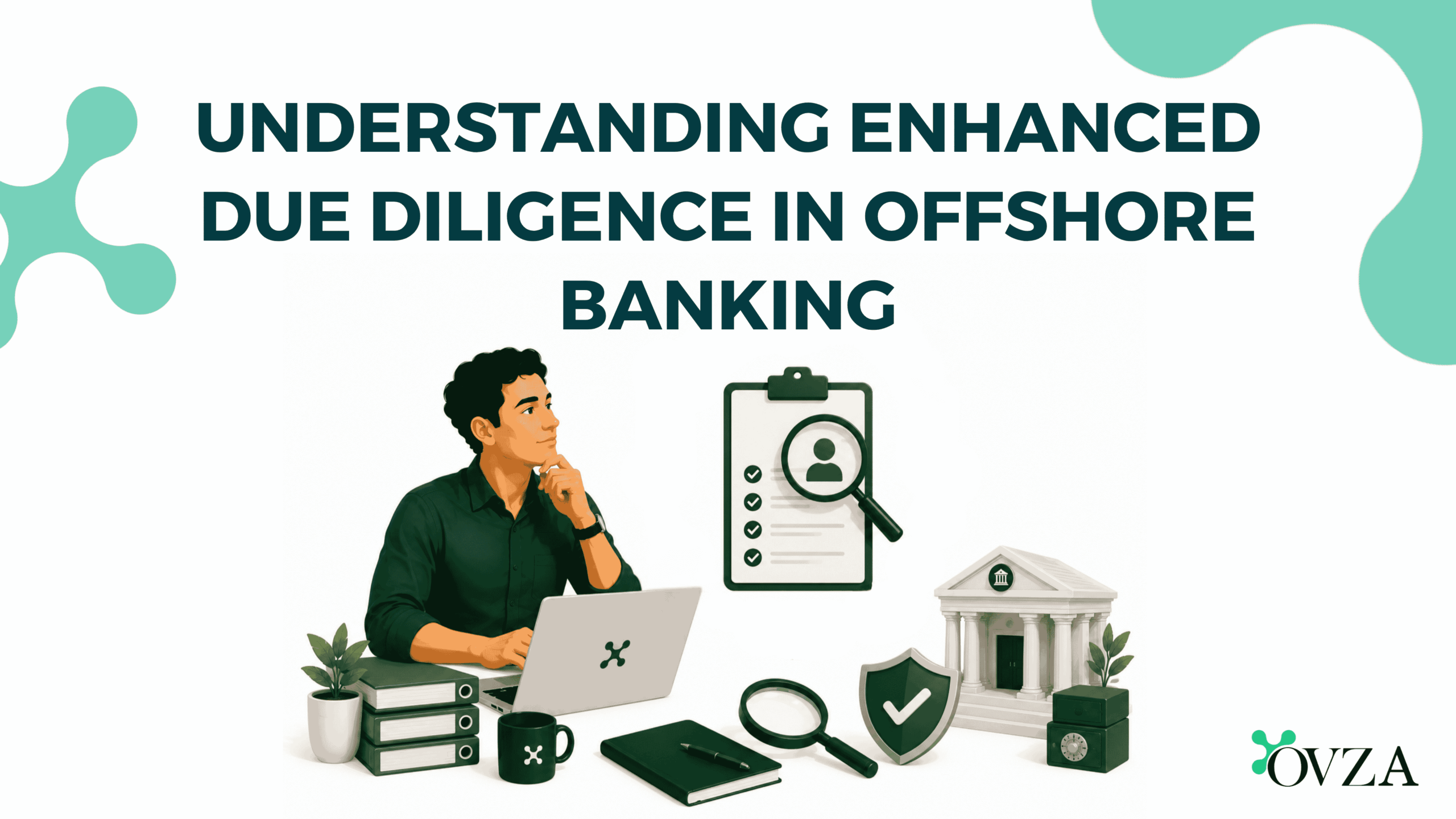
Durante la fase de incorporación o una revisión rutinaria de la cuenta, las empresas con estructuras internacionales suelen encontrarse con un proceso de cumplimiento conocido como Debida Diligencia Reforzada (EDD, por sus siglas en inglés).
A diferencia de los protocolos estándar de Conozca a su Cliente (KYC), que simplemente confirman la identidad básica de una empresa y sus propietarios, una revisión de Debida Diligencia Reforzada (EDD) representa una evaluación más exhaustiva. Generalmente se activa cuando un banco requiere información adicional para comprender mejor la estructura de propiedad, las actividades comerciales, el perfil de transacciones o el origen de la riqueza de una empresa. Para las empresas que operan internacionalmente, la Debida Diligencia Reforzada suele ser una parte rutinaria del establecimiento y mantenimiento de relaciones bancarias.
Comprender en qué consiste una revisión de debida diligencia reforzada (EDD, por sus siglas en inglés) y cómo preparar la infraestructura corporativa para la misma es fundamental para evitar retrasos bancarios, bloqueos de transacciones y fricciones administrativas.
¿Por qué los bancos realizan una debida diligencia reforzada?
Las instituciones financieras operan bajo estrictas regulaciones internacionales contra el lavado de dinero (ALD) y en materia de cumplimiento normativo. Por lo tanto, los bancos deben comprender no solo quiénes son sus clientes, sino también cómo operan sus negocios y de dónde proviene su capital.
Para las empresas internacionales, la debida diligencia reforzada suele estar motivada por la naturaleza de sus actividades, más que por problemas de cumplimiento normativo. Las empresas que operan en múltiples jurisdicciones, realizan transacciones internacionales, mantienen estructuras de propiedad complejas o prestan servicios a clientes a nivel global pueden requerir, naturalmente, una revisión más exhaustiva.
En muchos casos, la debida diligencia reforzada (EDD, por sus siglas en inglés) simplemente refleja la realidad de los negocios internacionales modernos. A medida que las operaciones transfronterizas se vuelven más sofisticadas, los bancos solicitan documentación adicional para comprender completamente la estructura de propiedad, las actividades comerciales y el perfil financiero de una empresa.
¿Qué información se revisa durante una evaluación del EDD?
Al realizar una auditoría de debida diligencia reforzada, los bancos suelen ir más allá de los documentos básicos de constitución y los registros de identificación. El objetivo es comprender mejor las operaciones, la propiedad y el historial financiero de la empresa.
Comparación de los requisitos de diligencia debida estándar y reforzada
| Diligencia debida estándar (CDD) | Diligencia debida reforzada (EDD) |
|---|---|
| Verificación del registro mercantil y de la situación jurídica de la empresa. | Revisión detallada de las estructuras de propiedad y la titularidad real. |
| Identificación de los principales accionistas y directores. | Verificación de antecedentes y evaluación de riesgos ampliadas. |
| Conocimientos básicos de las actividades empresariales. | Verificación independiente de las operaciones comerciales y los flujos de transacciones. |
| Revisión inicial de las fuentes de financiación. | Revisión exhaustiva de la documentación relativa al origen de los fondos y del patrimonio. |
Comprender el origen de los fondos y el origen de la riqueza
Uno de los componentes más importantes de una revisión de debida diligencia reforzada consiste en verificar la legitimidad del capital que ingresa al sistema bancario. Los bancos generalmente evalúan dos conceptos distintos pero relacionados: Origen de los Fondos (SOF) y Origen de la Riqueza (SOW).
- Fuente de financiación Se refiere al origen específico del dinero involucrado en una transacción o saldo de cuenta en particular. La documentación de respaldo puede incluir contratos comerciales, facturas, extractos bancarios, registros de inversiones o estados financieros auditados.
- Fuente de riqueza Se refiere al panorama general de cómo una persona o empresa acumuló su patrimonio total a lo largo del tiempo. Este análisis puede incluir evidencia de propiedad empresarial, actividad de inversión, desinversiones corporativas, venta de propiedades, documentación de herencia o registros financieros a largo plazo.
Proporcionar documentación clara para ambas categorías ayuda a los bancos a tener confianza en la legitimidad del negocio y puede agilizar significativamente el proceso de revisión.
Construyendo una estructura corporativa preparada para operar en el sector bancario.
La forma más eficaz de afrontar la debida diligencia reforzada es mediante una preparación proactiva. Las empresas que mantienen registros de propiedad transparentes, documentación corporativa bien organizada y prácticas de gobernanza consistentes suelen estar mejor posicionadas para cumplir con los requisitos bancarios de forma rápida y eficiente.
Una entidad offshore o internacional con una estructura profesional proporciona una base sólida para este proceso. Unos registros claros de la titularidad real, la documentación de las actividades comerciales, una gobernanza corporativa adecuada y una información financiera precisa contribuyen a una experiencia bancaria más fluida.
En lugar de ver la debida diligencia reforzada como un obstáculo, muchas empresas internacionales exitosas la consideran una parte natural de operar dentro de un sistema financiero moderno y conectado globalmente.
Conclusión
La debida diligencia reforzada se ha convertido en una práctica habitual en la banca internacional. Para las empresas que realizan negocios transfronterizos, representa una oportunidad para demostrar la solidez de su estructura corporativa, sus prácticas de gobernanza y su transparencia financiera.
Las empresas que mantienen registros organizados, estructuras de propiedad claras y fuentes de riqueza bien documentadas suelen estar mejor posicionadas para obtener servicios bancarios, respaldar la expansión internacional y mantener un acceso ininterrumpido a la infraestructura financiera global.
En OVZA, Ayudamos a emprendedores y empresas con visión de crecimiento a establecer entidades internacionales que cumplan con la normativa y estén diseñadas para satisfacer las expectativas bancarias actuales. Desde la constitución de la empresa y la estructura de su gobierno corporativo hasta la planificación de su expansión internacional, ayudamos a las empresas a construir la infraestructura necesaria para un crecimiento global sólido.
Descargo de responsabilidad: La información proporcionada en este sitio web tiene únicamente fines informativos y educativos. Si bien OVZA se esfuerza por garantizar su exactitud y actualidad, el contenido no debe considerarse asesoramiento legal, financiero ni fiscal.