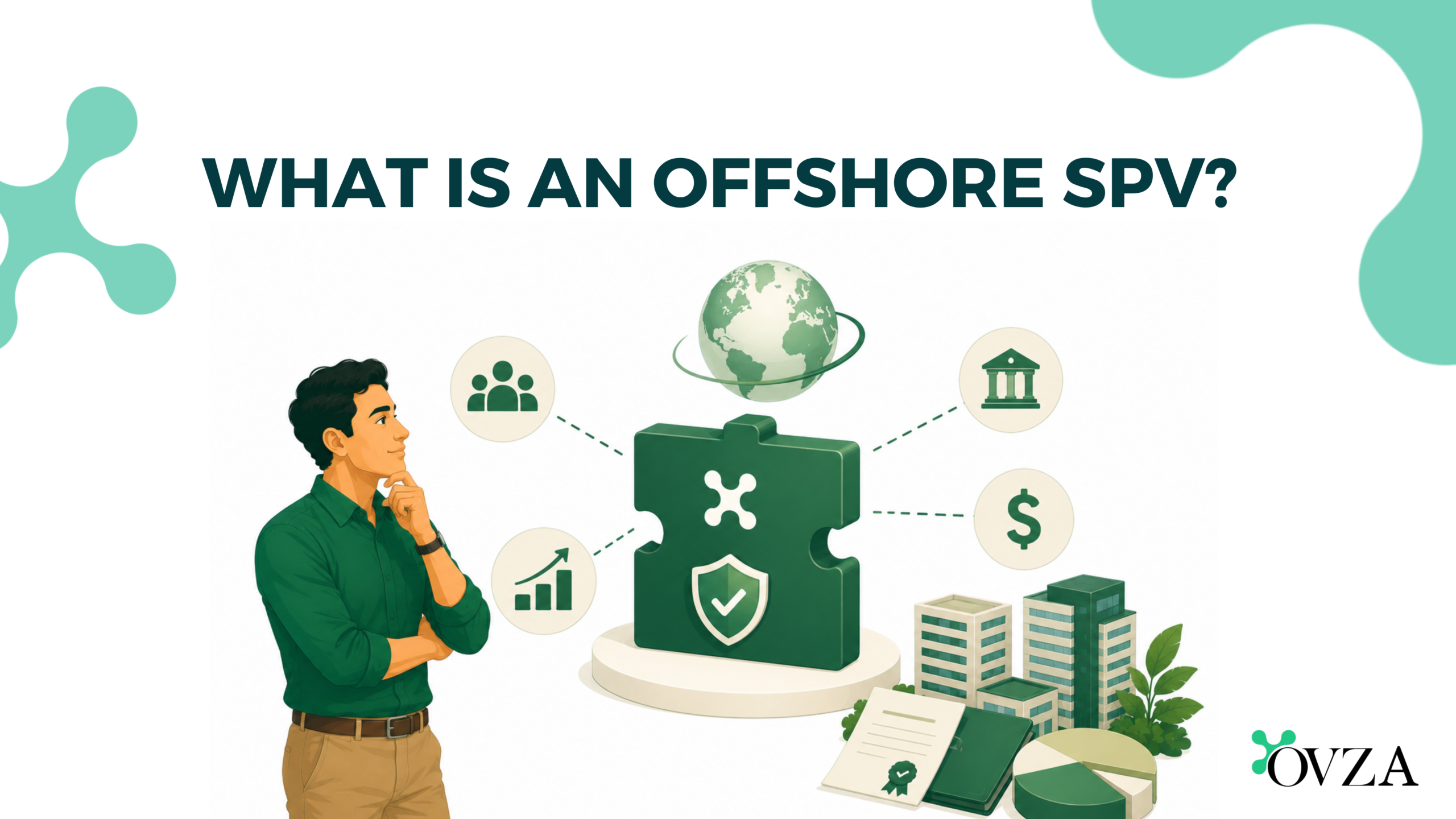
Una SPV offshore es una empresa offshore dedicada a mantener por separado un activo, una inversión o una transacción específicos.
Las SPV offshore se encuentran entre las estructuras más utilizadas en negocios internacionales, inversiones transfronterizas, capital privado, aviación, transporte marítimo, bienes raíces, proyectos de infraestructura y acuerdos de tenencia de activos. Si bien las empresas offshore suelen mencionarse en el contexto del comercio internacional, la neutralidad fiscal o la expansión global, una SPV offshore tiene un propósito mucho más específico. Está diseñada para mantener un activo en particular o facilitar una transacción específica dentro de una estructura legalmente diferenciada.
En la actualidad, las sociedades instrumentales extraterritoriales (SPV, por sus siglas en inglés) son utilizadas por corporaciones multinacionales, oficinas familiares, fondos de inversión, empresas de capital riesgo, propietarios de aeronaves, grupos navieros, inversores inmobiliarios y emprendedores internacionales que buscan segregar activos, reducir la exposición al riesgo, facilitar la financiación y crear estructuras de propiedad claras para las inversiones individuales.
Contrariamente a las ideas erróneas comunes, el propósito principal de una SPV offshore no es el secreto ni la evasión fiscal. Más bien, busca el aislamiento de riesgos, la segregación de activos, la eficiencia de las transacciones y la seguridad jurídica. Las SPV offshore debidamente estructuradas siguen sujetas a los requisitos de cumplimiento aplicables, incluidos los procedimientos KYC, las regulaciones AML, la presentación de informes CRS, las obligaciones FATCA, la divulgación de la titularidad real y los requisitos de sustancia económica, cuando corresponda.
- ¿Qué es una SPV offshore?
- ¿Por qué se utilizan los vehículos de propósito especial (SPV) en alta mar?
- Sociedades instrumentales offshore en la aviación privada
- Sociedades instrumentales extraterritoriales para la tenencia de inversiones
- Sociedades instrumentales offshore para la titularidad de la propiedad intelectual
- Sociedades instrumentales offshore en transacciones inmobiliarias
- Beneficios de las SPV offshore para la protección de activos
- Cómo elegir la jurisdicción adecuada para una SPV offshore
- SPV offshore frente a sociedad holding offshore
- Conclusión
¿Qué es una SPV offshore?
Una SPV offshore es una empresa legalmente independiente creada con un propósito específico y limitado. A diferencia de una empresa operativa tradicional que realiza actividades comerciales continuas, una SPV offshore generalmente se crea para poseer un solo activo, adquirir un negocio, poseer propiedad intelectual, facilitar una transacción financiera, poseer una aeronave, poseer un buque, participar en una empresa conjunta o administrar una inversión en particular.
La característica distintiva de una SPV offshore es que sus actividades se limitan intencionalmente a un objetivo claramente definido. Esta separación crea una barrera legal entre los activos y pasivos de la SPV y los de sus accionistas, empresa matriz, inversores o entidades afiliadas.
Por ejemplo, un inversor que adquiere una cartera de bienes inmuebles comerciales puede establecer una sociedad instrumental (SPV) offshore dedicada exclusivamente a la propiedad de dicha inversión. Si surgen responsabilidades relacionadas con la propiedad, las reclamaciones generalmente se limitan a los activos de la propia SPV, en lugar de extenderse a otros activos no relacionados que se encuentren en otras partes de la estructura corporativa del inversor.
Este principio de segregación de activos es una de las principales razones por las que las sociedades instrumentales extraterritoriales (SPV) se han convertido en un pilar fundamental de la estructuración corporativa internacional.
¿Por qué se utilizan los vehículos de propósito especial (SPV) en alta mar?
La popularidad de las sociedades instrumentales extraterritoriales (SPV, por sus siglas en inglés) se debe a su capacidad para proporcionar flexibilidad jurídica, eficiencia financiera y ventajas en la gestión de riesgos.
Las empresas e inversores suelen constituir sociedades instrumentales (SPV) extraterritoriales para proteger las responsabilidades asociadas a un proyecto específico, facilitar fusiones y adquisiciones, gestionar aeronaves, buques, propiedad intelectual o bienes inmuebles, estructurar operaciones de financiación, separar las actividades operativas de la propiedad de los activos, mejorar la confianza de los inversores, simplificar futuras transferencias de activos y centralizar la titularidad de las inversiones. Muchos prestamistas internacionales e inversores institucionales exigen específicamente que los activos se mantengan a través de SPV especializadas antes de aprobar la financiación. Al aislar los activos dentro de una entidad especializada, los inversores y prestamistas obtienen mayor visibilidad de los riesgos y pueden evaluar con mayor facilidad la situación financiera de un proyecto o inversión concretos.
Esto es particularmente común en la financiación de la aviación, la financiación del transporte marítimo, los proyectos de infraestructura, el desarrollo de energías renovables, las transacciones de capital privado y las inversiones inmobiliarias a gran escala.
Sociedades instrumentales offshore en la aviación privada
Una de las aplicaciones más comunes de un SPV offshore es propiedad de aeronaves.
En lugar de poseer un jet privado directamente, muchos propietarios de aeronaves constituyen una sociedad instrumental (SPV) offshore que se convierte en la propietaria registrada de la aeronave. Este enfoque puede simplificar los acuerdos de financiación, mejorar la protección de los activos, facilitar las estructuras de arrendamiento internacional y agilizar las futuras transferencias de propiedad.
Por ejemplo, un grupo de aviación privada puede establecer una sociedad instrumental (SPV) offshore en una jurisdicción como Bahamas, Costa Rica, las Islas Vírgenes Británicas, Samoa u otro domicilio corporativo reconocido internacionalmente. La aeronave se registra entonces bajo la SPV offshore, mientras que los acuerdos operativos, los contratos de seguros y los documentos de financiación se mantienen por separado.
Esta estructura permite que la aeronave permanezca aislada de responsabilidades no relacionadas que puedan surgir en otras áreas de las actividades comerciales del propietario.
Sociedades instrumentales extraterritoriales para la tenencia de inversiones
Fondos de inversión, oficinas familiares, y los inversores privados utilizan con frecuencia vehículos de propósito especial (SPV) extraterritoriales para adquirir y mantener inversiones.
En lugar de agrupar múltiples inversiones en una sola entidad, los inversores suelen establecer vehículos de propósito especial (SPV) extraterritoriales independientes para cada transacción. Un SPV puede gestionar una inversión tecnológica, otro una cartera inmobiliaria y un tercero participar en una adquisición de capital privado.
Este enfoque crea una clara separación entre activos y pasivos y permite que cada inversión se gestione de forma independiente desde una perspectiva de gobernanza, financiación, regulación y salida.
Sociedades instrumentales offshore para la titularidad de la propiedad intelectual
Otro uso común de una SPV offshore es la propiedad y gestión de activos de propiedad intelectual.
Muchas empresas internacionales separan la propiedad de marcas registradas, patentes, código fuente, tecnología patentada, derechos de licencia y otros bienes de propiedad intelectual valiosos de sus empresas operativas diarias. En lugar de permitir que una empresa operativa sea propietaria directa de estos activos, la propiedad se transfiere a una sociedad instrumental offshore (SPV) dedicada.
Posteriormente, la entidad de propósito especial (SPV) extraterritorial concede licencias de propiedad intelectual a empresas operativas ubicadas en diferentes jurisdicciones mediante acuerdos de licencia formales.
Este enfoque puede ofrecer varias ventajas.
En primer lugar, establece una clara separación entre la propiedad intelectual y los riesgos operativos del negocio. En segundo lugar, puede simplificar futuros acuerdos de licencia, adquisiciones, empresas conjuntas y transacciones de inversión. En tercer lugar, puede brindar protección adicional si una empresa operativa se ve involucrada en litigios, procedimientos de insolvencia o reclamaciones de acreedores.
Las empresas tecnológicas, los desarrolladores de software, las empresas de medios de comunicación, los grupos farmacéuticos y los operadores de franquicias internacionales suelen utilizar vehículos de propósito especial (SPV) extraterritoriales para la titularidad de la propiedad intelectual debido a la importancia estratégica de sus activos intangibles.
Sociedades instrumentales offshore en transacciones inmobiliarias
Los inversores inmobiliarios internacionales han utilizado SPV extraterritoriales durante décadas para adquirir y poseer bienes inmuebles.
En lugar de adquirir bienes inmuebles personalmente, los inversores suelen constituir una sociedad instrumental offshore (SPV, por sus siglas en inglés) que se convierte en la propietaria legal del inmueble. De esta forma, el inversor posee las acciones de la SPV offshore en lugar de la titularidad directa del inmueble. Esta estructura puede simplificar futuras enajenaciones. En algunas transacciones, los inversores transfieren la propiedad mediante la venta de las acciones de la SPV offshore, en lugar de transferir el inmueble en sí. Dependiendo de la jurisdicción, esto puede agilizar considerablemente la ejecución de la transacción.
Los grandes proyectos inmobiliarios comerciales suelen involucrar múltiples sociedades instrumentales (SPV) extraterritoriales. Se pueden establecer entidades separadas para la propiedad del terreno, la financiación del proyecto, las actividades de construcción, los activos operativos y la participación de los inversores. Esta compartimentación permite que los riesgos asociados a un proyecto permanezcan aislados del resto de la cartera del inversor.
Beneficios de las SPV offshore para la protección de activos
Una de las principales razones por las que los inversores crean vehículos de propósito especial (SPV) extraterritoriales es para establecer cierto grado de separación legal entre activos y pasivos.
Cuando se establece y mantiene adecuadamente, un SPV offshore se trata como un persona jurídica independiente en virtud del derecho mercantil. Sus activos pertenecen a la propia SPV, y no directamente a sus accionistas. En consecuencia, las responsabilidades asociadas a una inversión o proyecto específico suelen recaer en la SPV offshore responsable de dicha actividad.
Por ejemplo, una oficina familiar que posea múltiples inversiones internacionales puede establecer:
- Una sociedad instrumental extraterritorial para una aeronave privada.
- Una sociedad instrumental extraterritorial para una cartera de propiedades comerciales.
- Una sociedad instrumental extraterritorial para activos de propiedad intelectual.
- Una sociedad instrumental extraterritorial para inversiones de capital riesgo.
Este enfoque evita que los pasivos asociados a un activo afecten automáticamente a otros activos no relacionados que se mantienen a través de entidades separadas.
Sin embargo, las sociedades instrumentales extraterritoriales no constituyen una protección absoluta de los activos. Los tribunales pueden desestimar las estructuras corporativas en casos de fraude, transacciones simuladas, conducta delictiva o incumplimiento de las normas de gobernanza corporativa.
Cómo elegir la jurisdicción adecuada para una SPV offshore
La elección de la jurisdicción depende en gran medida de la finalidad de la SPV extraterritorial, la naturaleza del activo subyacente y los objetivos comerciales de los inversores involucrados.
Entre los factores que se suelen tener en cuenta se incluyen la legislación corporativa, la estabilidad regulatoria, la accesibilidad bancaria, los requisitos de cumplimiento continuo, los costes de mantenimiento anuales, las necesidades de financiación, las expectativas de los inversores y la reputación general de la jurisdicción.
Entre las jurisdicciones más utilizadas para los vehículos de propósito especial (SPV) extraterritoriales se encuentran Samoa, las Islas Vírgenes Británicas (BVI), Costa Rica y las Bahamas, cada una de las cuales ofrece ventajas distintas en función del uso previsto de la estructura.

Samoa Se la considera una de las jurisdicciones más eficientes y rentables para la tenencia de activos, las inversiones internacionales y los vehículos de propósito especial, ya que ofrece una legislación corporativa moderna, bajos requisitos de mantenimiento y una gran flexibilidad para los negocios internacionales.

El Islas Vírgenes Británicas Sigue siendo una de las jurisdicciones líderes en el mundo para estructuras de tenencia de inversiones, transacciones de capital privado, empresas conjuntas y adquisiciones transfronterizas debido a su marco legal bien establecido y la amplia aceptación por parte de los inversores e instituciones financieras internacionales.

Costa Rica Su uso se está extendiendo cada vez más a las estructuras de inversión y tenencia internacionales, especialmente cuando los inversores buscan un entorno jurídico estable combinado con el acceso a los mercados latinoamericanos.

Las Bahamas Sigue siendo una jurisdicción respetada para la preservación del patrimonio, la tenencia de inversiones, la propiedad de aeronaves privadas, las estructuras marítimas y los sofisticados acuerdos internacionales de tenencia de activos.
No existe una jurisdicción universalmente "óptima" para una SPV extraterritorial. La estructura óptima dependerá del activo específico que se posea, la ubicación de los inversores y las contrapartes, los requisitos bancarios, las consideraciones de financiación, las expectativas regulatorias y los objetivos a largo plazo de la transacción.
SPV offshore frente a sociedad holding offshore
Aunque a veces se utilizan los términos indistintamente, una SPV offshore y una sociedad holding offshore cumplen funciones fundamentalmente diferentes dentro de una estructura corporativa internacional.
Una sociedad holding offshore se constituye generalmente como un vehículo de propiedad a largo plazo. Por lo general, posee múltiples filiales, inversiones, activos de propiedad intelectual, propiedades inmobiliarias o empresas operativas, y funciona como la entidad matriz dentro de un grupo empresarial más amplio. La función principal de una sociedad holding es centralizar la propiedad y la supervisión de diversos activos e inversiones.
Por el contrario, una SPV offshore se suele constituir para una transacción, proyecto, inversión o activo específico. En lugar de poseer una cartera completa de empresas o inversiones, una SPV está diseñada para gestionar un activo concreto o facilitar una transacción específica dentro de una entidad jurídica independiente. Sus actividades son intencionadamente limitadas y están centradas en un ámbito muy concreto.
“La forma más sencilla de entenderlo es que una sociedad holding posee un conjunto de activos o empresas, mientras que una SPV (sociedad instrumental) generalmente se crea para poseer un solo activo, proyecto o inversión específica.
Una sociedad holding es la empresa matriz; una SPV es el vehículo específico utilizado para aislar el riesgo y gestionar una transacción en particular.“
— Eli Carter, Asuntos Jurídicos
Por ejemplo, una oficina familiar puede establecer una sociedad holding que posea múltiples inversiones en todo el mundo. Debajo de esta sociedad holding, se pueden crear vehículos de propósito especial (SPV) independientes para gestionar una aeronave, un inmueble comercial, una inversión tecnológica o una adquisición de capital privado. Cada SPV opera de forma independiente y aísla las responsabilidades asociadas a su activo o transacción en particular.
En la práctica, muchas estructuras internacionales sofisticadas utilizan ambas entidades simultáneamente. La sociedad holding actúa como vehículo estratégico de propiedad, mientras que las sociedades instrumentales individuales se utilizan para segregar activos, facilitar acuerdos de financiación, simplificar futuras salidas y proteger al grupo empresarial en general de los riesgos asociados a cualquier inversión individual.
Esta combinación de sociedades holding y vehículos de propósito especial (SPV) se ha convertido en una característica habitual de la estructuración corporativa internacional, especialmente entre oficinas familiares, fondos de inversión, grupos multinacionales, propietarios de aviación privada e inversores transfronterizos que buscan una mayor gobernanza, protección de activos y flexibilidad operativa.
Conclusión
Las sociedades instrumentales offshore (SPV) son una de las herramientas más versátiles y utilizadas en la estructuración de negocios y patrimonios internacionales. Desde la aviación privada y la propiedad de yates hasta la propiedad intelectual, los fondos de inversión, las carteras inmobiliarias y las adquisiciones transfronterizas, las SPV offshore ofrecen un mecanismo práctico para aislar el riesgo, proteger los activos, facilitar la financiación y mejorar el gobierno corporativo.
Cuando se estructura y mantiene adecuadamente, una SPV offshore puede servir como un componente poderoso de una estrategia comercial o de inversión internacional, al tiempo que cumple plenamente con los requisitos modernos de transparencia e información.
Descargo de responsabilidad: La información proporcionada en este sitio web tiene únicamente fines informativos y educativos. Si bien OVZA se esfuerza por garantizar su exactitud y actualidad, el contenido no debe considerarse asesoramiento legal, financiero ni fiscal.