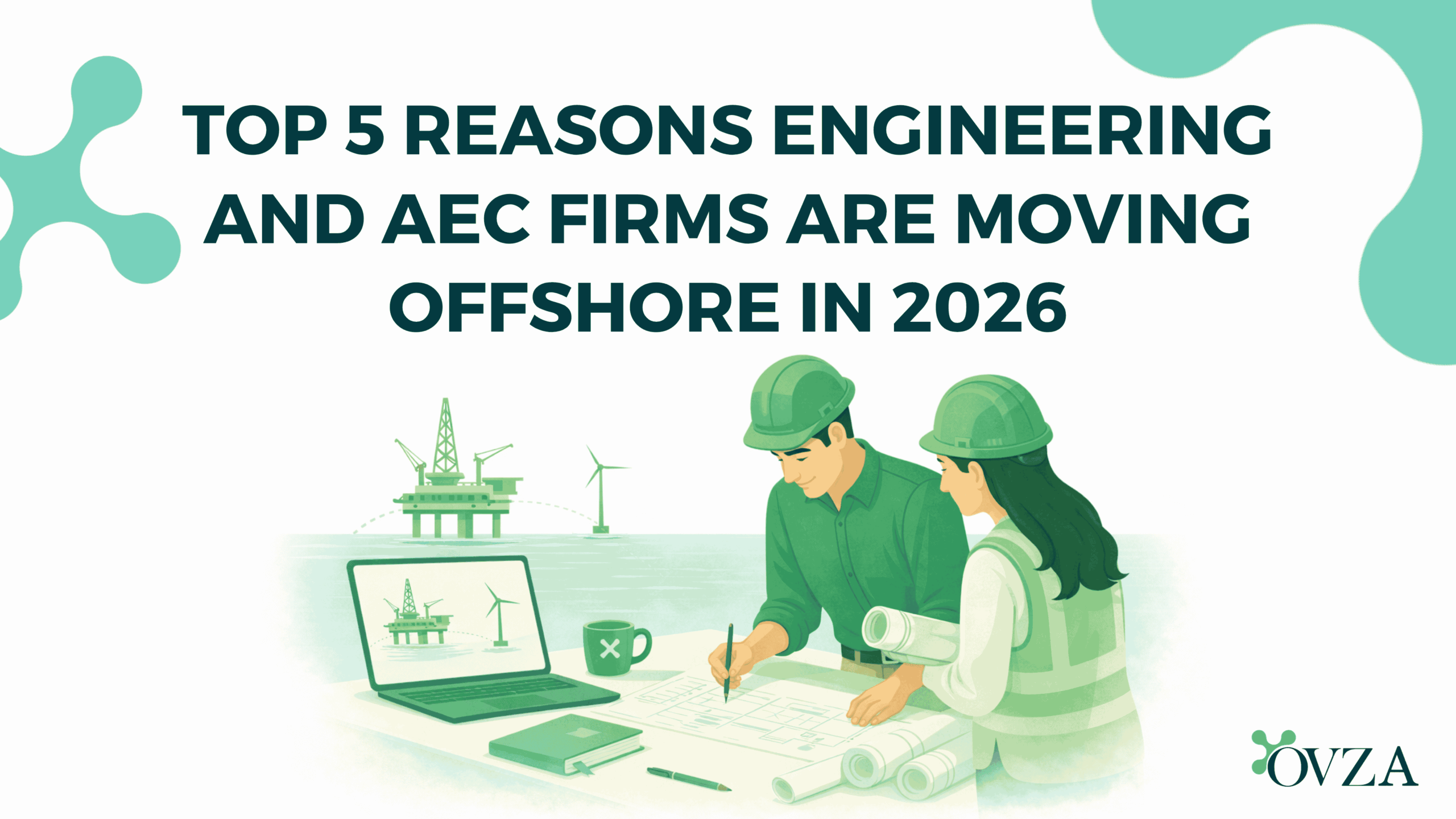
In 2026, the Architecture, Engineering, and Construction (AEC) industry is no longer local. With a severe shortage of skilled BIM modelers and CAD professionals in domestic markets, firms are being forced to choose: slow down project timelines or decentralize.
The “Global Blueprint” model—where a firm operates across three time zones—has become the industry standard for 2026. By utilizing an offshore corporate hub, engineering firms are transforming from local practices into 24/7 global powerhouses. Here are the top five reasons why an offshore corporate structure is the defining strategic move for the modern AEC firm.
1. The “Follow-the-Sun” Design Cycle
In 2026, project deadlines have been compressed. Clients expect rapid iterations that a standard 8-hour workday cannot provide. By registering an offshore entity, firms can employ teams across different time zones to create a continuous 24-hour design relay.
When your domestic office closes, your offshore team picks up the BIM model. This ensures that structural analysis, clash detection, and rendering continue overnight, allowing you to meet aggressive milestones that local-only competitors simply cannot reach.
2. Centralized Talent Management
Domestic markets are facing a critical shortage of senior engineering talent. Trying to hire locally often leads to bidding wars and unsustainable salary overhead.
An offshore hub acts as a single, global “clearing house” for talent. Instead of dealing with the complex tax nexus of ten different countries, one offshore entity manages all international employment contracts and benefits. This allows you to hire specialized engineers from across the globe through a simplified, tax-efficient framework.
3. Professionalizing for Global Infrastructure Tenders
Major infrastructure projects in 2026 often require consortiums and international partnerships. High-end global developers prefer to contract with robust corporate entities that have a clear international standing.
A registered offshore company signals that you are a legitimate global player. It allows you to sign high-value contracts with better terms and provides the “neutral ground” necessary for joint ventures, making your firm more marketable for long-term, multi-million dollar international partnerships.
4. Liability Segregation and Asset Protection
High-stakes engineering projects carry inherent risks, from design errors to site disputes. In a litigious global environment, holding these risks personally or within your primary domestic firm exposes your core assets to significant danger.
Certain offshore jurisdictions are world-renowned for their robust asset protection laws. By placing project-specific contracts under an offshore Special Purpose Vehicle (SPV), you create a “legal firewall.” This ensures that your firm’s core Intellectual Property and domestic bank accounts remain shielded from project-level liabilities.
5. Specialized Banking and Multi-Currency Settlement
Traditional high-street banks are often ill-equipped to handle the complex, high-value wires required for international engineering sub-contracts and global payroll. This often leads to frozen funds during critical project phases.
Offshore structures are built for this exact flow. When paired with specialized Electronic Money Institutions (EMIs), AEC firms gain access to multi-currency accounts (USD, EUR, GBP) optimized for international trade. This ensures your global team is paid on time and your project liquidity is never compromised by domestic banking bureaucracy.
Comparison: Local Practice vs. Global Engineering Hub (2026)
| Feature | Local AEC Setup | Global Offshore Hub |
| Productivity | 8-Hour Workday | 24/7 “Follow-the-Sun” Relay |
| Talent Access | Limited to local market | Global Niche Specialists |
| Overhead | High domestic payroll taxes | Tax-Neutral for global talent |
| Risk Management | Core assets often exposed | Isolated Project Liability |
| Bid Capacity | Limited by local staff bandwidth | Scalable for international tenders |
Conclusion
The transition from a “Local Practice” to a “Global Engineering Hub” is the defining move for AEC leaders in 2026. By choosing the right offshore structure, you aren’t just simplifying your paperwork—you are building a resilient, 24-hour engine that protects your firm’s assets while scaling its reach. Successful directors know that while their designs are the product, their corporate structure is what ensures they can deliver them to the world.
Disclaimer: The information provided on this website is intended for general reference and educational purposes only. While OVZA makes every effort to ensure accuracy and timeliness, the content should not be considered legal, financial, or tax advice.